


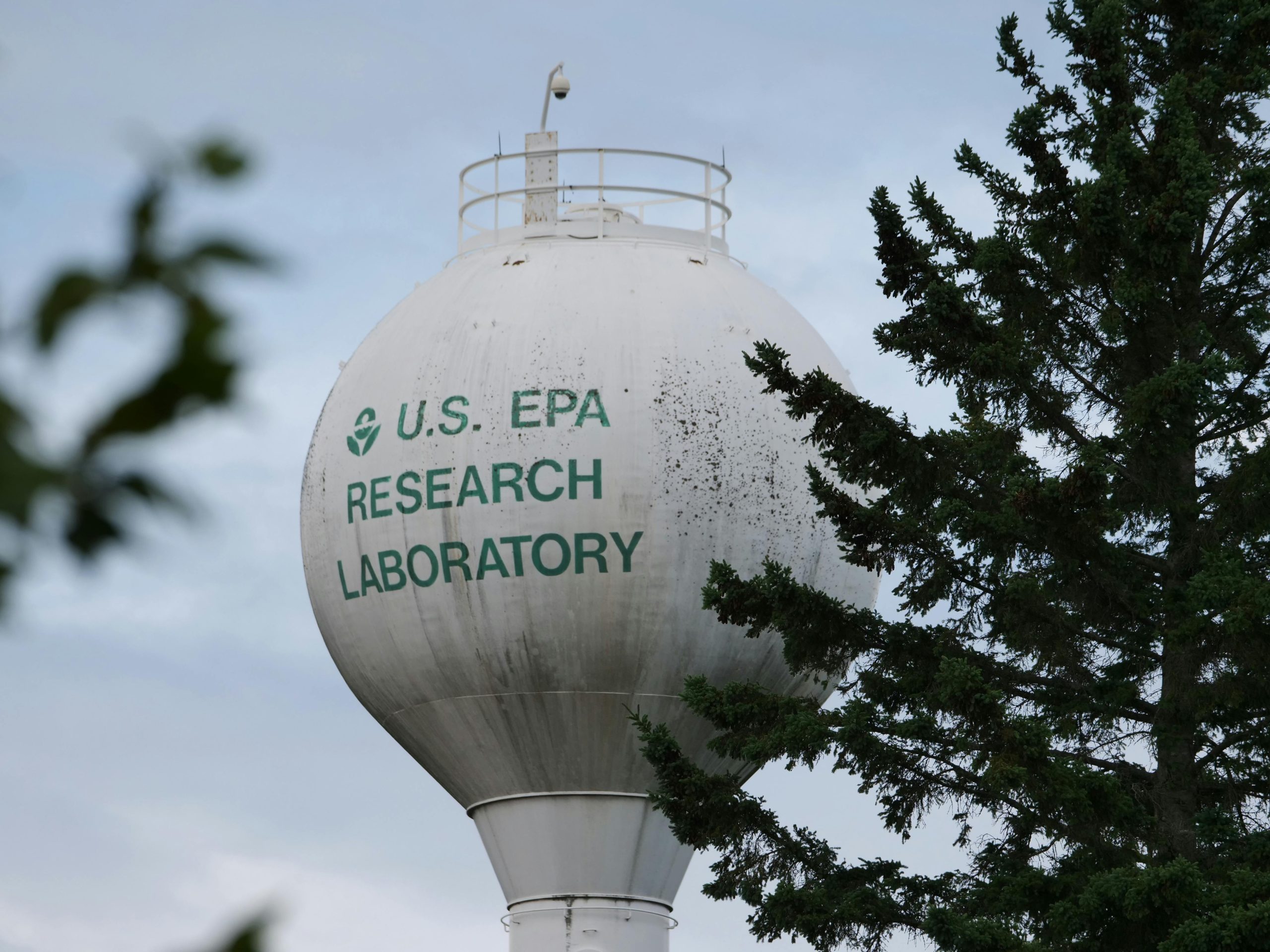

U.S. federal agencies are intensifying efforts to monitor emerging contaminants in drinking water, including microplastics and pharmaceutical residues, amid growing scientific concern about their potential impacts on human health and ecosystems. The initiative reflects a broader push to improve oversight of substances that are not yet fully regulated but are increasingly detected in water supplies.
The joint announcement was hailed by EPA Administrator Lee Zeldin and Health Secretary Robert F. Kennedy, Jr.
Focus on emerging contaminants
The monitoring effort targets substances such as microplastics and pharmaceutical compounds, which scientists consider “emerging contaminants” because their long-term health effects are still being studied. These materials can enter water systems through wastewater discharges, industrial processes, and everyday consumer use.
Federal agencies are collecting data to understand how widespread these contaminants are and at what concentrations they appear. The information gathered is expected to support future regulatory decisions and risk assessments.
Officials emphasized that monitoring does not necessarily indicate an immediate health emergency, but rather a precautionary approach aimed at improving scientific knowledge and preparing potential standards if needed.
“We cannot treat what we cannot measure. We cannot regulate what we don’t understand,” Kennedy said at a press conference at EPA headquarters.
Coordinated federal action
Multiple U.S. agencies are involved in the initiative, coordinating research and data collection efforts. The goal is to establish a clearer picture of contaminant exposure nationwide and strengthen collaboration between environmental regulators and public health institutions.
The monitoring program forms part of a broader federal strategy to address substances that have historically fallen outside existing drinking-water regulations but are drawing increasing attention from researchers and policymakers.
Scientific uncertainty and future regulation
Experts note that microplastics and pharmaceutical residues are challenging to regulate because evidence about their health effects remains incomplete. By expanding monitoring, authorities aim to build the scientific foundation necessary for any future rules or safety thresholds.
The initiative underscores how drinking-water oversight is evolving as new types of pollutants emerge, requiring updated analytical tools and long-term data collection to guide policy decisions.
As research progresses, federal agencies are expected to evaluate whether additional regulatory measures or treatment requirements may be needed to ensure continued protection of public drinking-water supplies.





Show Comments