


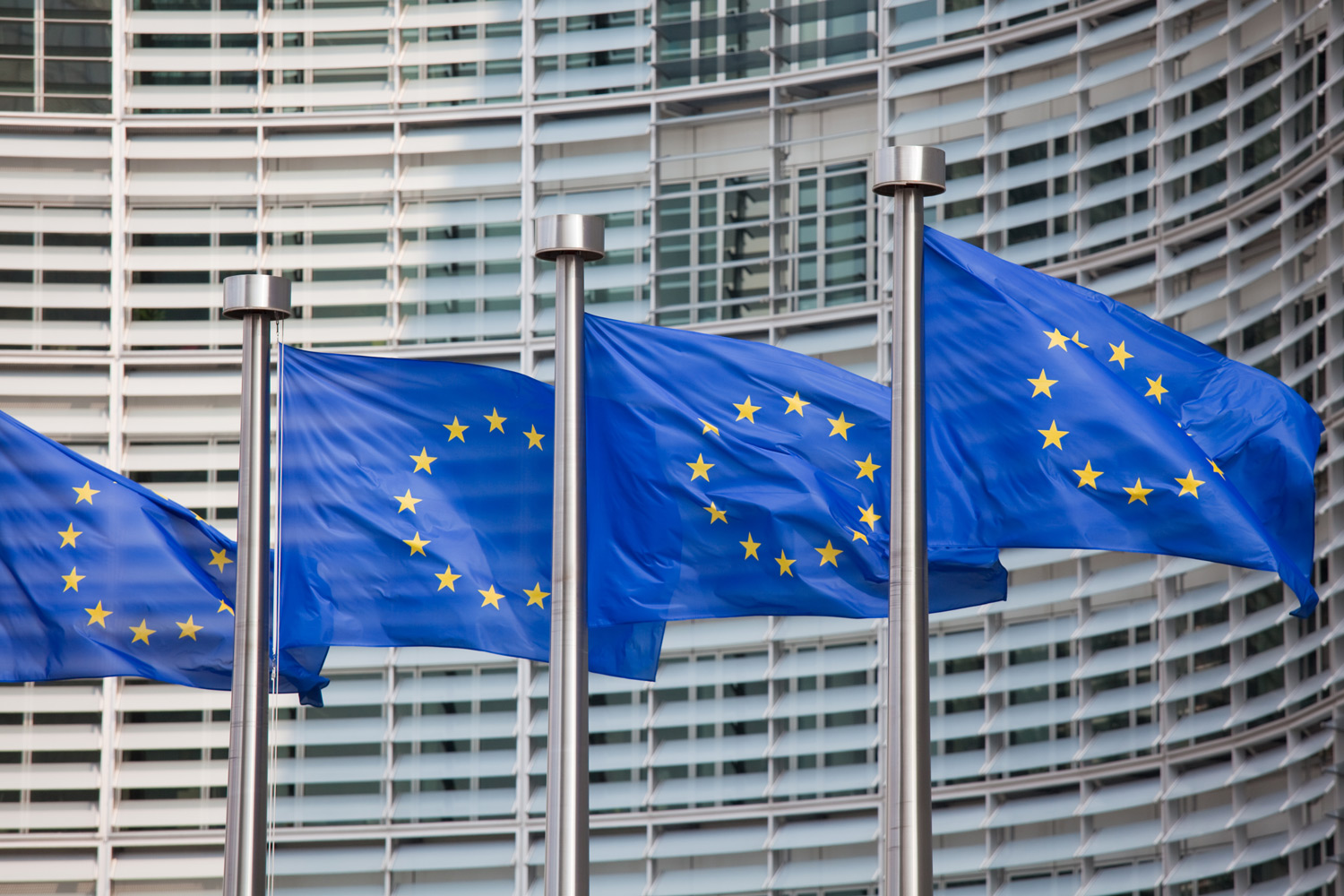

EU finance ministers are working to coordinate a shared response to the sharp increase in energy prices, triggered by recent geopolitical tensions and instability in global energy markets.
“EU-level coordination is essential to prevent market fragmentation and leverage economies of scale, thereby reducing the overall need for intervention,” the European Commission said in a note preparing the ministers’ discussions.
Pressure on inflation and economic stability
The energy price shock is raising concerns among European policymakers because of its potential impact on inflation and economic growth.
But because European governments don’t know how long the disruption to oil and gas shipments through the Strait of Hormuz will last, they are cautious about launching fiscally costly policies that might soon be unnecessary.
“Short-term measures to provide relief to consumers (households and industries) could be considered,” the Commission said. “However, a key lesson from the 2022-2023 energy crisis is that many of these measures were broad and untargeted, leading to inefficiencies and very large fiscal costs.”
Search for a unified European strategy
The Commission said the EU’s position had improved since 2022 as renewable sources now account for 48% of its energy, up from 36% in 2021. But most of Europe’s cars and trucks still run on petrol, and almost 20% of Europe’s oil came from the Gulf, now largely shut off from business.
To reduce the impact of the more expensive oil and gas, the Commission proposed that governments could support the income of the most vulnerable households because that would not distort market price signals too much.
They could also encourage energy savings, such as the use of public transport, housing renovation, and energy efficiency in industry. EU countries could also lower their taxes on electricity, but this measure should be used with caution because most EU countries are struggling with high debt and relatively slow growth.
Finally, governments could consider price interventions for vulnerable consumers and firms in the form of two-tier pricing for electricity or natural gas, the Commission said.
According to the Commission, energy measures should include a clear end-date. They could be financed from the carbon Emissions Trading System revenues or by taxing possible windfall profits of big energy firms.




Show Comments