


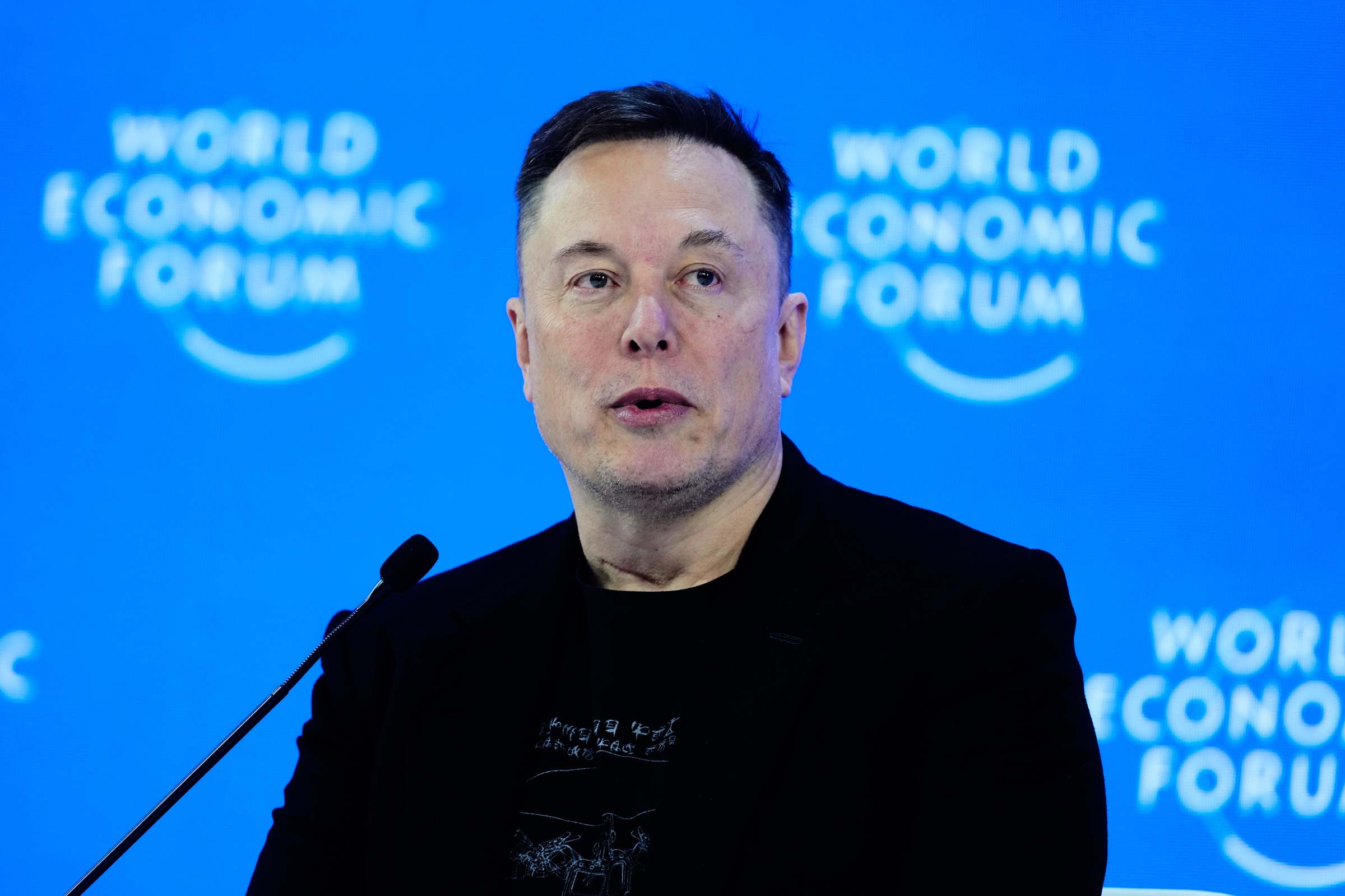

Elon Musk is pushing the boundaries of technology once again—this time with a bold idea: moving artificial intelligence data centers into space.According to recent reports, the potential merger between SpaceX and xAI could accelerate Musk’s plan to deploy orbital computing infrastructure, intensifying competition with tech giants such as Google, Meta and OpenAI.
The concept: AI computing in orbit
Space-based data centers would be based on networks of solar-powered satellites capable of handling the enormous computational demands of modern AI systems.
Supporters argue that operating in space offers two major advantages: nearly constant access to solar energy and reduced cooling costs compared to Earth-based facilities. These factors could make AI processing more efficient and potentially cheaper in the long run.
However, experts warn that the concept is still experimental. Key challenges include exposure to cosmic radiation, risks from space debris, high launch costs, and limited maintenance options. Analysts expect early pilot projects around 2027–2028, with possible large-scale systems in the 2030s if initial tests succeed.
Why Musk is betting on space?
Musk believes that space could become the most cost-effective environment for AI infrastructure within just a few years. He has publicly argued that building solar-powered data centers in orbit is a logical step for the future of artificial intelligence. “It’s a no-brainer building solar-power data centers in space … the lowest-cost place to put AI will be space, and that will be true within two years, three at the latest,” he said at Davos.
SpaceX’s experience in launching thousands of satellites through its Starlink program it’s a strategic advantage in developing orbital computing clusters.
Funding for such ambitious projects could come from a potential SpaceX public offering, which analysts estimate could value the company at more than $1 trillion.
A global race above the atmosphere
Musk is not alone in this vision. Jeff Bezos’s Blue Origin is exploring similar technologies, while companies like Nvidia-backed Starcloud and Google are testing prototypes of space-based AI systems. China is also planning its own “space cloud” infrastructure over the next five years.
This growing interest suggests that the future of AI may not be confined to Earth, but could expand into orbit as nations and corporations compete for technological supremacy.




Show Comments