


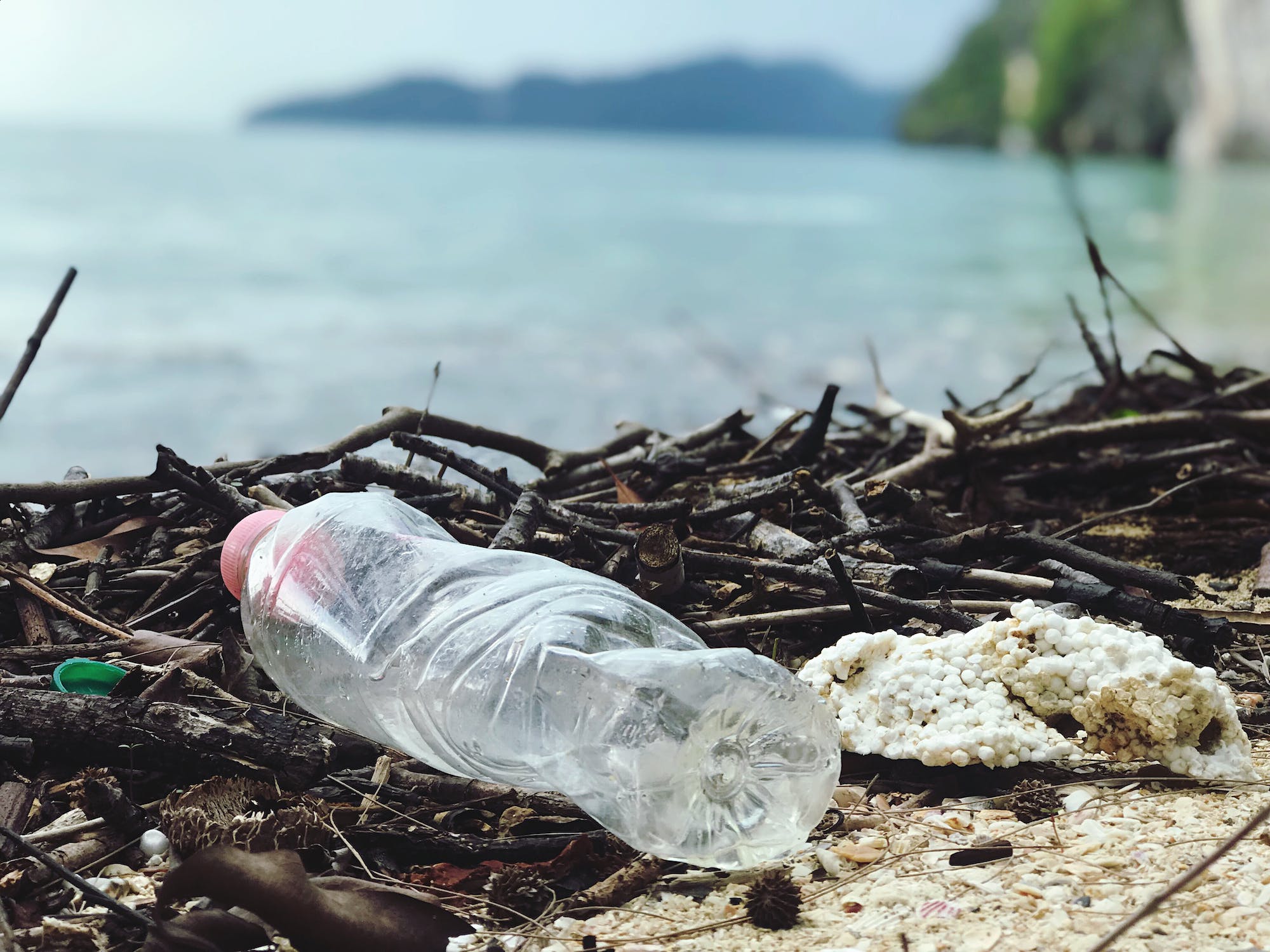

The European project Polyrisk investigates the health effects of micro- and nanoplastics, which are of increasing concern to scientists, policy-makers and the public. It involves the analysis of real-life scenarios such as the impact on pedestrians on busy roads, athletes training in indoor environments and workers in textile factories.
The intent is to ascertain how much micro- and nanoplastics are actually inhaled by the body. These are particles that are invisible to the naked eye, between 1 and 5 micrometres in size, and are formed by the dispersal of plastic waste into the environment, which then degrades uncontrollably through weathering.
However, even with recycling plants the problem is not solved, as filtering systems do not prevent pollution.
The idea behind the project is to develop methods for producing microplastics similar to environmental microplastics to be used as a reference for defining risks and thus fill gaps in this area in order to support standards that take into account data on the risks of microplastics on human health.




Show Comments