




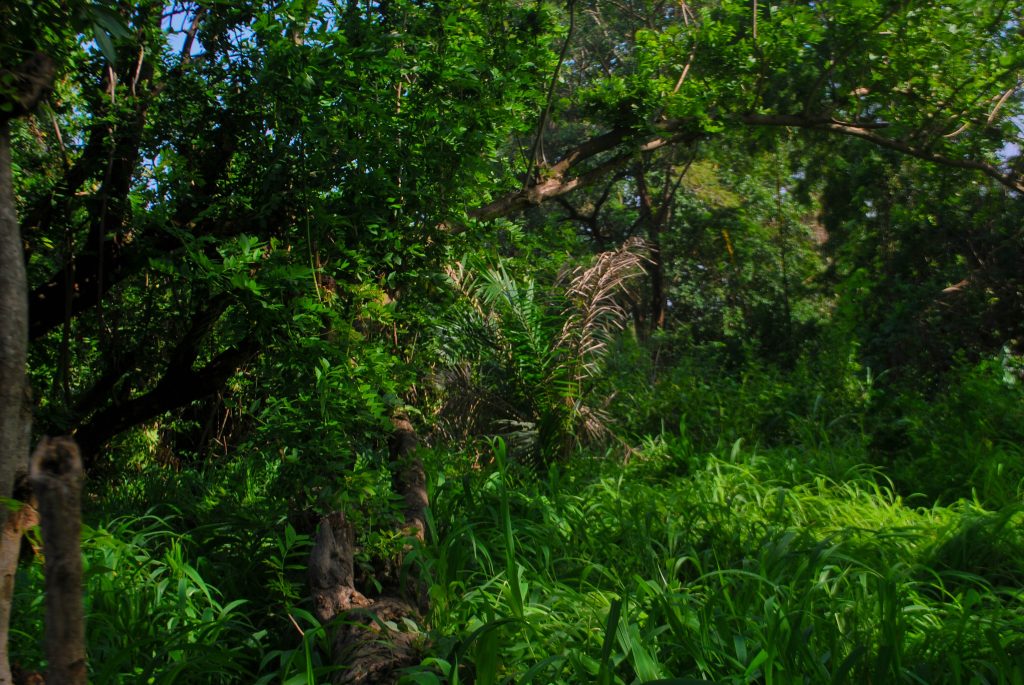
Africa’s forests have transitioned from acting as a carbon sink to becoming a net carbon source, according to recent scientific research highlighting a major change in the global climate system.
A Turning Point Since 2010
The study identifies a significant shift that has occurred since around 2010. During this period, African forests stopped absorbing more carbon dioxide than they emit and instead began releasing net emissions into the atmosphere.
This change marks a critical moment for global climate stability, as forests have long played a central role in regulating greenhouse gas levels.
All Major Rainforest Regions Affected
With Africa’s forests now emitting more carbon than they absorb, all three of the world’s major tropical rainforest regions are contributing to climate change rather than mitigating it. The Amazon in South America and forests in south-east Asia had already undergone similar transitions in recent years.
Together, these regions were once considered among the planet’s most important natural climate stabilisers.
Drivers of the Shift
Researchers link the change primarily to deforestation, forest degradation and land-use pressures. Logging, mining and other extractive activities reduce forest cover and damage ecosystems, limiting their capacity to store carbon while increasing emissions from disturbed soils and vegetation.
Implications for the Climate System
The loss of forest carbon sinks has far-reaching consequences. As forests release more carbon dioxide, they accelerate global warming, making it more difficult to meet international climate targets and increasing the likelihood of further ecosystem disruption.
The findings underscore the interconnected nature of climate breakdown, where damage to natural systems feeds back into rising temperatures.
Urgent Need for Protection and Restoration
The researchers stress that urgent action is required to protect remaining forest areas and restore degraded landscapes. Without intervention, continued forest loss could further weaken one of the planet’s key defences against climate change.
Protecting forests is presented not only as a biodiversity priority but also as a critical component of climate mitigation strategies.
A Narrow Window for Action
The study highlights that decisions taken in the near term will shape the future role of tropical forests in the climate system. Preventing further degradation could help stabilise emissions, while failure to act risks locking in long-term carbon losses.




Show Comments