


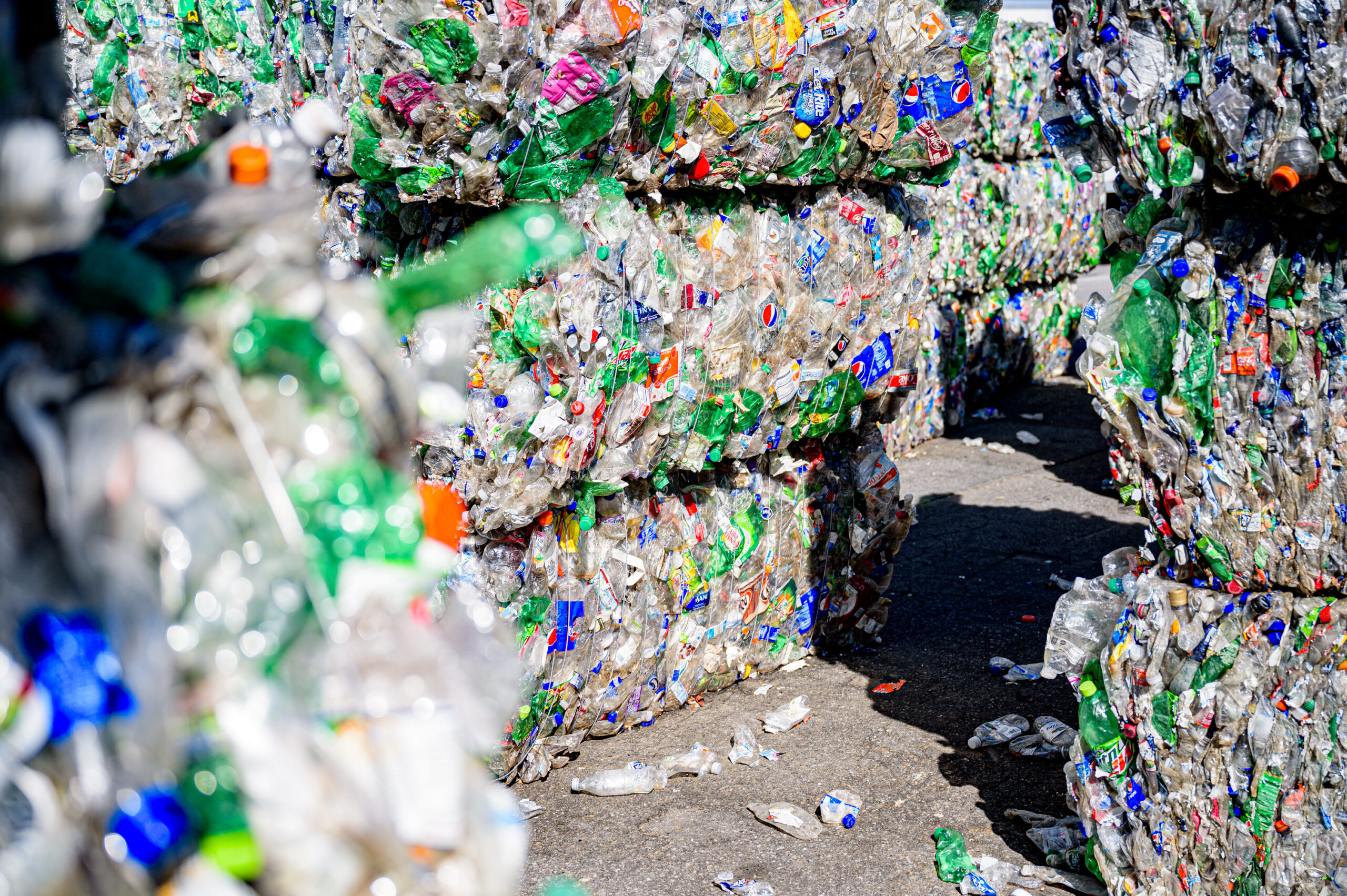

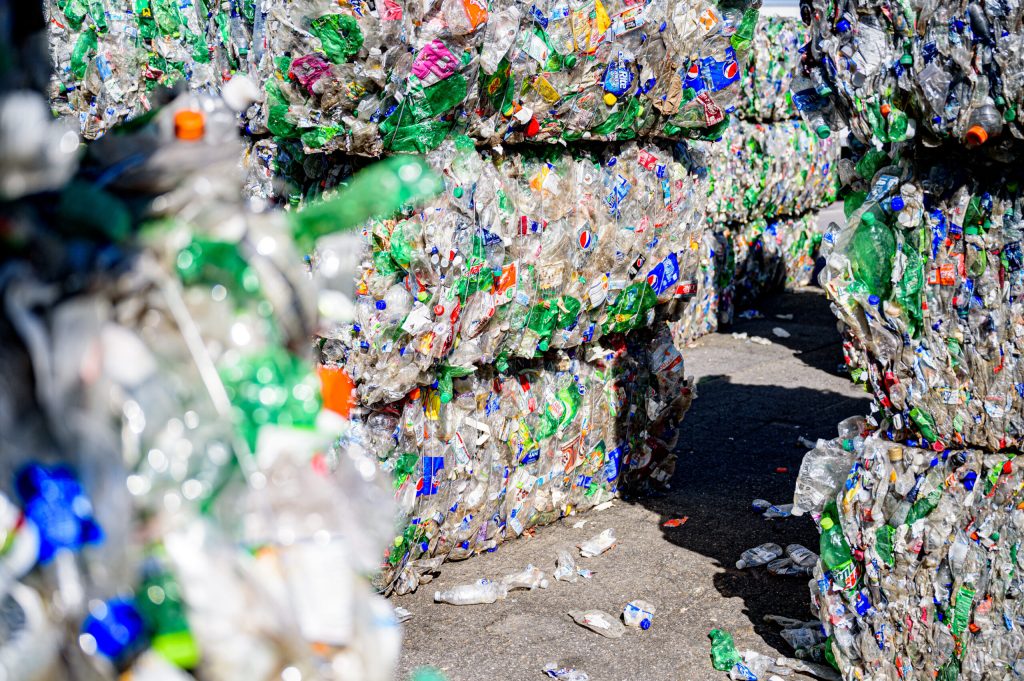
Large-scale adoption of reuse and return schemes could almost eliminate plastic pollution within the next 15 years, according to new global research analysing the future of plastic packaging and waste.
Plastic Pollution on a Rapid Growth Trajectory
The report finds that around 66 million tonnes of plastic packaging waste currently enter the global environment each year. Without significant intervention, this figure is expected to more than double by 2040, intensifying environmental damage and increasing risks to public health and economic systems.
Findings from a Global System Analysis
The research represents one of the most comprehensive assessments of the global plastic system to date. Conducted by the Pew Charitable Trusts in collaboration with academic institutions including Imperial College London and the University of Oxford, the analysis examines how plastics are produced, used and disposed of worldwide.
The authors describe plastic as a material once viewed as revolutionary, but now increasingly associated with long-term environmental harm and systemic risk.
The Role of Reuse and Return Models
According to the study, the most effective way to reduce plastic pollution is through widespread implementation of reuse and return schemes. These systems are designed to replace single-use packaging with durable products that are collected, cleaned and reused multiple times.
The report concludes that prioritising reuse, alongside other systemic changes, could dramatically reduce the amount of plastic waste entering ecosystems by 2040.
Consequences of Inaction
If current production and consumption patterns continue, plastic pollution is projected to expand significantly across land and marine environments. The researchers warn that such growth would exacerbate existing pressures on biodiversity, strain waste management systems and increase exposure to plastic-related health risks.
A Shift in How Plastic Is Managed
Rather than focusing solely on waste cleanup or recycling at the end of a product’s life, the report emphasises the need for upstream solutions. Reuse and return schemes are presented as structural interventions capable of reducing plastic use before waste is generated.
Implications for Policy and Industry
The findings suggest that meaningful reductions in plastic pollution will require coordinated action across governments, industry and consumers. Scaling reuse systems would involve changes in product design, supply chains and consumer behaviour, supported by policy frameworks that encourage long-term material efficiency.
A Narrow Window for Change
The researchers stress that decisions made in the coming years will determine whether plastic pollution can be brought under control by mid-century. While the challenge is substantial, the report concludes that existing solutions, if implemented at scale, could prevent a large share of projected plastic waste from entering the environment.





Show Comments