


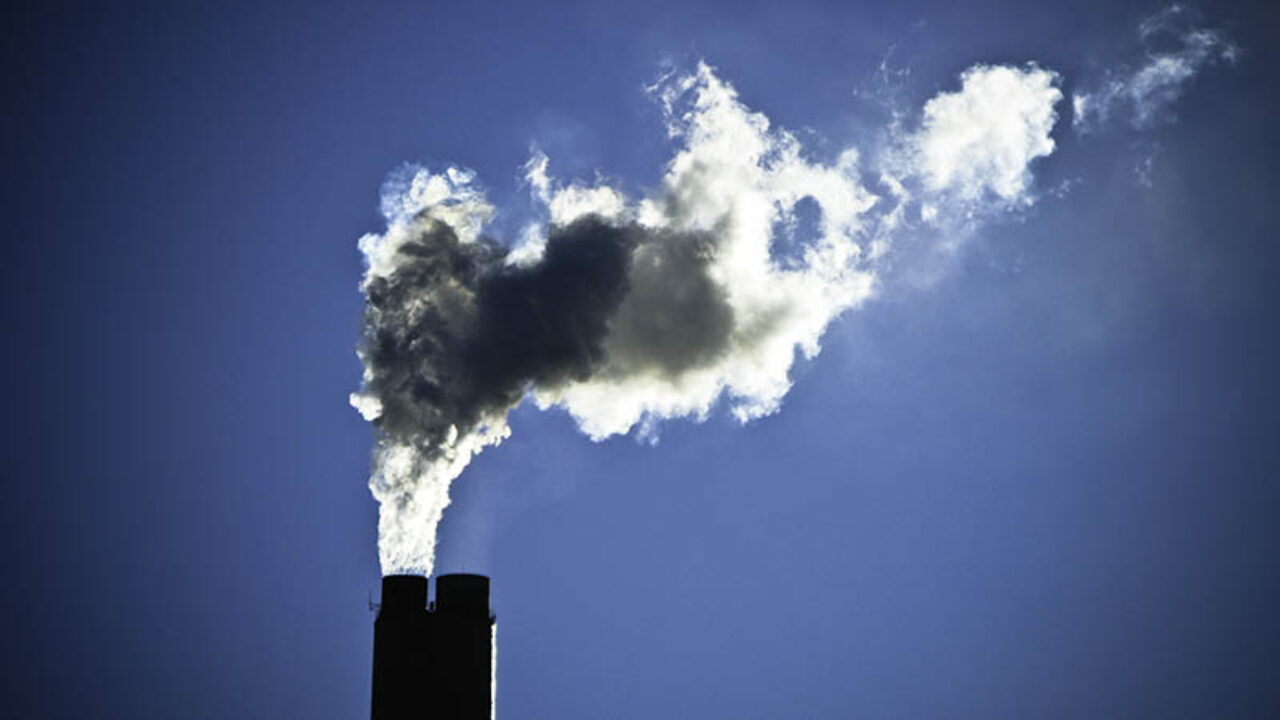

An EU plan to gradually reduce the number of free CO2 permits given to industries met the resistance of six governments that have demanded relaxed rules to help firms face the energy price impact of the Iran war.
The European Commission proposed new rules this month on the number of free emissions permits industries will receive until 2030.
The european rules
With concerns mounting about the faltering competitiveness of the 27-member European Union, Brussels said the change would have the overall impact of lowering the carbon costs industry has to pay by €4 billion by the end of the decade, by reducing the number of free allocations handed out more slowly than initially expected.
The opponent countries
But Bulgaria, the Czech Republic, Greece, Poland, Romania and Slovakia have asked the Commission to instead freeze the number of the CO2 permits given out for free at last year’s levels.
In a joint paper they said high energy prices, which have risen since the start of the Iran war at the end of February, were a risk to the competitiveness of energy intensive industries.
“This could lead to increased threat of loss of their competitiveness in global markets, of closures or relocation outside of the EU,” they said of the proposed rules.
The differences between countries
While some heavy industries and governments whose countries have carbon-intensive energy mixes are putting pressure on more free CO2 permits, other governments including Spain and Sweden, which are very advanced in the clean energy transition, have asked Brussels not to weaken the emissions trading system.
EU countries’ industry ministers will discuss the six governments’ paper at a meeting on Thursday. A final version of the Commission’s free CO2 permit rules is expected to be adopted by the end of June. The EU is also preparing to propose a longer-term revision of the emissions trading system in mid-July, to align it with the bloc’s 2040 climate target.




Show Comments