


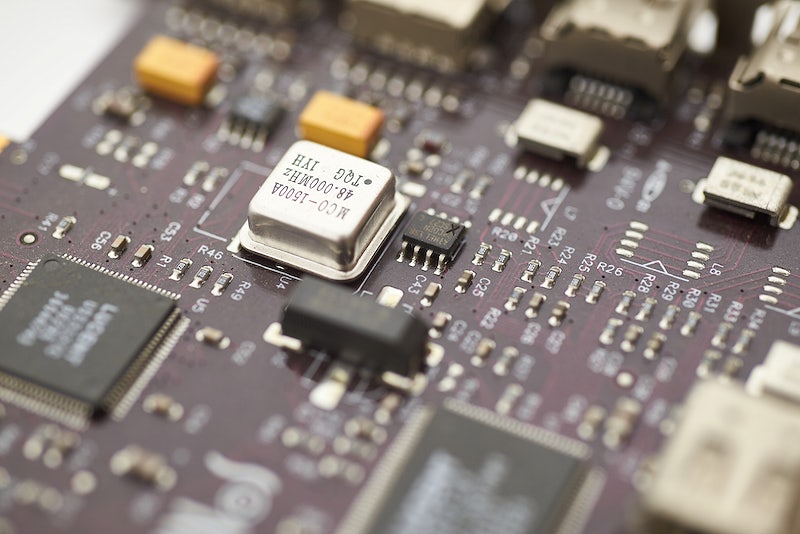

The European Union is taking a significant step toward strengthening its economic security by preparing its first strategic stockpile of critical raw materials.
EU has shortlisted tungsten, rare earths and gallium as priority resources in an effort to reduce reliance on China and safeguard supply chains essential for industry and clean-energy technologies.
Why critical minerals matter
Critical minerals such as tungsten and rare earths play a vital role in modern economies. They are used in advanced manufacturing, renewable energy systems, electronics, defence technologies and electric vehicles. The EU’s concern originate from the high concentration of global processing capacity in China, which dominates the supply of many of these materials.
This dependence has raised fears within European institutions that geopolitical tensions or export restrictions could disrupt industrial production across the continent.
The EU’s first strategic stockpile
The planned initiative represents the European Union’s first coordinated attempt to build a shared reserve of essential minerals. The European Commission announced the stockpile initiative in December. Ten EU countries are involved in the planning process in working groups led by Italy, France and Germany.
France has made diversifying critical mineral supplies a priority of its G7 presidency, and the bloc is in parallel talks to set up a permanent secretariat so the work survives beyond rotating presidencies.
Reducing reliance on China
China’s dominant position in mining and processing critical raw materials has long concerned Western economies. The EU’s move reflects a broader strategy to diversify suppliers, expand domestic production and strengthen resilience against external economic pressure.
By creating strategic reserves, Brussels hopes to gain greater autonomy and prevent future crises linked to concentrated supply chains.
Part of a wider economic security strategy
The stockpile plan aligns with the EU’s wider policies aimed at securing access to critical resources. These include promoting recycling, encouraging investment in alternative suppliers and supporting mining and processing projects within Europe.
Officials view the initiative not only as an industrial policy measure but also as a strategic response to growing global competition over raw materials essential for the energy transition and technological innovation.



Show Comments