



The environmental landscape in 2025 is still concerning, with emissions on the rise and nature continuing to suffer. However, amidst these challenges, there have been some promising developments. Focused efforts in clean energy, ocean conservation, forest protection, indigenous rights, and ecosystem restoration have led to real progress that often gets overshadowed by the negative news.
Rapid growth of renewable energy
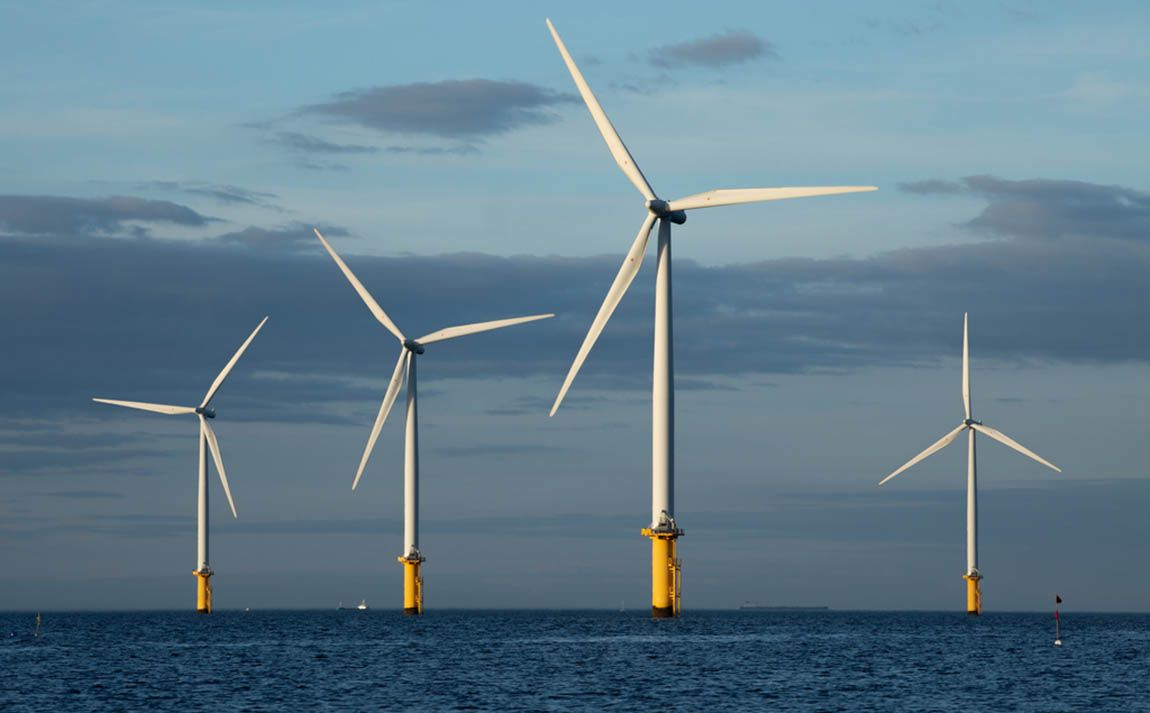
For the first time ever, renewable energy sources have surpassed coal as the world’s leading source of electricity. This remarkable shift has been spearheaded by China, which has quickly ramped up its solar and wind power capabilities while pouring resources into clean-energy innovations. Thanks to this push, China has even seen a temporary dip in its CO₂ emissions, hinting at a potential peak in emissions. Meanwhile, countries like the UK are witnessing wind power take the lead, bolstered by significant investments in energy storage. On a global scale, renewable energy capacity is on the rise in most nations and is projected to double by 2030.
New momentum for ocean protection
A significant achievement was marked with the implementation of the High Seas Treaty, which commits nations to safeguarding 30% of international waters. Additional strides have been made through national efforts, including the establishment of the world’s largest marine protected area in French Polynesia, which helps preserve extensive regions of rich ocean biodiversity.
Forests and deforestation trends
Brazil has put forests front and center at COP30, unveiling new financial strategies to incentivize forest protection. Official reports indicate a decline in deforestation rates in the Amazon and Cerrado, and globally, deforestation is lower than in previous decades, even though the loss of forests is still a major concern.
Legal, wildlife, and indigenous advances
The International Court of Justice has issued a groundbreaking climate opinion that could pave the way for future legal actions between states. Conservation efforts also paid off, with green turtles and tigers showing strong population recoveries. Indigenous peoples gained formal recognition within UN biodiversity processes, reinforcing their role as key stewards of the planet.



Show Comments