




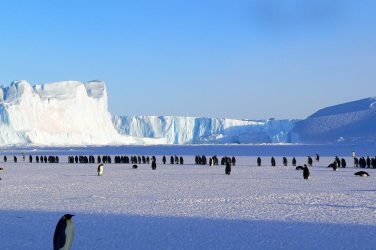
A recent study warns that Antarctic seals and penguins face increased sunburn risk due to prolonged exposure to cancer-causing UV rays penetrating the ozone layer. This hole, typically seasonal, now persists over Antarctica for over a year, as highlighted in Global Change Biology.
Prof. Sharon Robinson from the University of Wollongong expresses worry regarding the ongoing depletion of the ozone layer.
The research links significant ozone loss to the smoke generated by unprecedented wildfires in Australia, exacerbating the problem.
The 1987 Montreal Protocol aimed to eliminate these chemicals, initially resulting in some recovery. However, the annual recurrence of the hole over Antarctica remains troubling for environmentalists, given the region’s severe ozone depletion.



Show Comments