




The majority of Scotland is recording water levels very low. Last week the Scottish Environment Protection Agency pointed out water scarcity alerts for much of the country. By contrast, southern regions received over 140% of their average rainfall, resulting in mostly healthy after a very wet spring. As a consequence, this summer the south tends to be much wetter than the northern UK.
Experts of the Wildlife Trusts say that they are seeing signs of stressed nature and the UK Centre for Ecology and Hydrology warns farmers and nature are being affected by increased risk of drought. Nevertheless, according to the current forecasts, the UK is unlikely to face drinking water shortages or hosepipe bans this summer. However, Jamie Hannaford, UKCEH Group Leader for Hydrological Status and Outlooks says that «vigilance is still required» in the southeast after the demand for water in the recent heatwave could have reduced supplies.
Even though climate change is driving up global temperatures, according to the Met Office there are no recent studies that clearly link human-induced climate change with altered risk of drought in England.
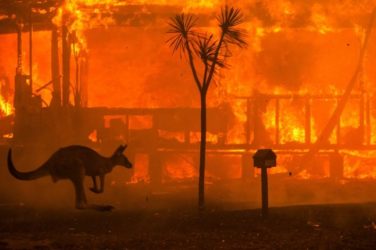
However, some parts of Scotland and Wales already felt the effects of dry weather and last week in the Scottish Highlands firefighters fought to control what may be the UK’s largest fire to date.
At the Wildlife Trusts, Ali Morse explains that the environment is already showing signs of drought. «Vegetation is starting to look a bit drier, flowers aren’t as healthy. If you look out at the countryside, it doesn’t look as green», she explains. Furthermore, she added that the “hidden impacts” of drought on wildlife are really concerning and explains there is some evidence that insect numbers are lower this year after the 2022 drought. For example, butterflies and moths can be affected if they lay their eggs on plants that are dried out.
In the end, Morse adds: «If we do avoid drought this year it was by chance, not because the UK did the right things to avoid it».



Show Comments