




Two years ago, the Great Salt Lake’s record low water levels highlighted the urgent risks of climate change, threatening the ecosystem, economy, and air quality around Salt Lake City. Recently, the lake’s level has risen by about six feet due to unusually wet winters and conservation efforts.
The rise in water levels is mainly due to above-average snowfall. Last year, snowfall was more than double the usual amount. However, meteorologist from the National Weather Service in Salt Lake City warns that such high snowfall levels are unlikely to continue.
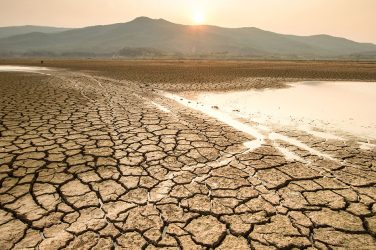
Experts worry that as water levels decline and expose the lake bed, wind storms could disperse arsenic-laden dust, posing health risks to residents of the area.
Dr. Baxter, director of the Great Salt Lake Institute at Westminster University, warns that recent improvements might weaken political support for essential conservation measures potentially undermining efforts to ensure the lake’s long-term health and sustainability.


Show Comments