


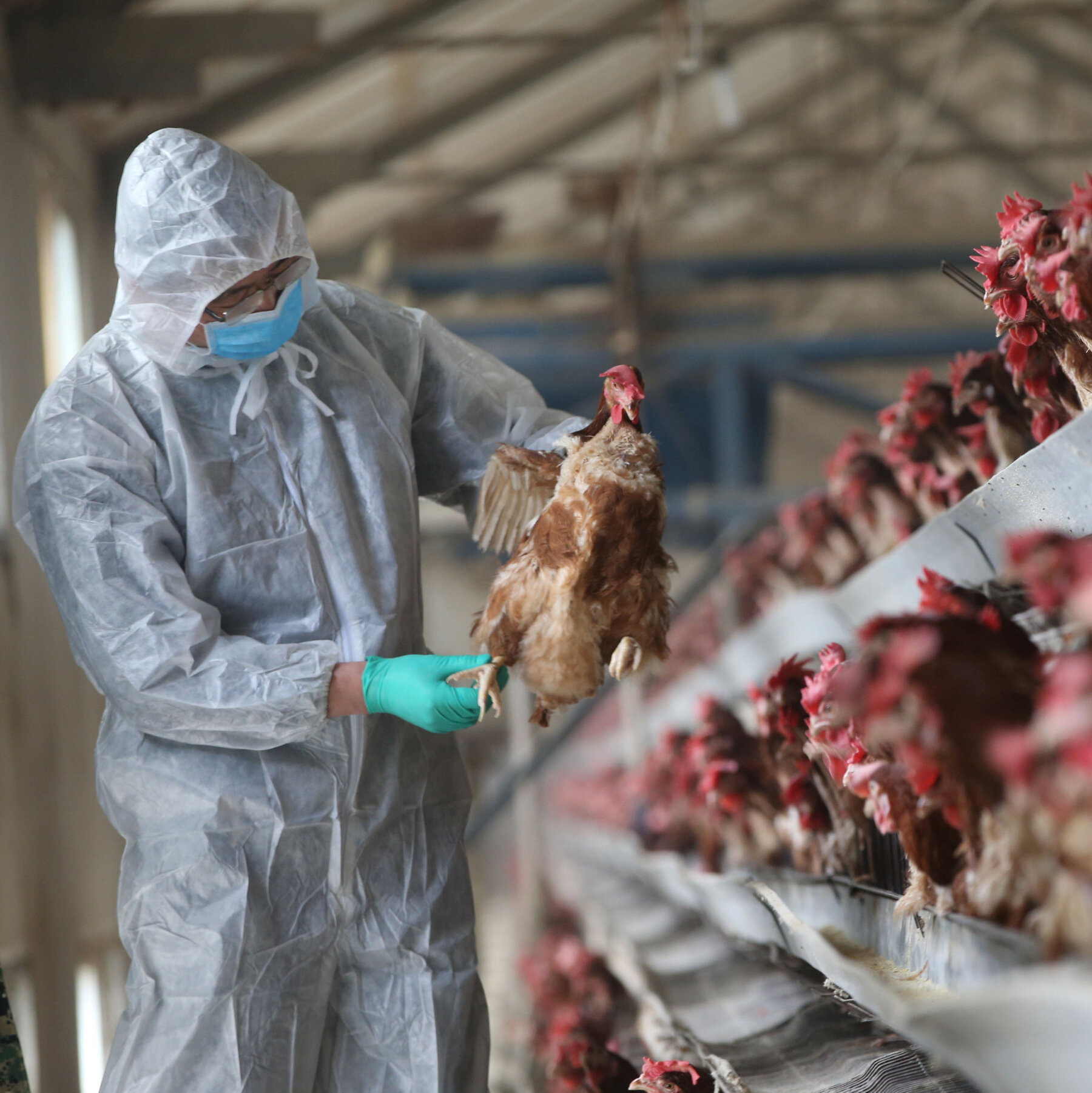

The world is going through its worst-ever outbreak of bird flu. This is an infectious disease of poultry and wild birds that has been around for a century and usually flares up in autumn, before vanishing.
«The bird flu originated amongst ducks in Europe and Asia, and spread to other birds» says Paul Digard, a professor of virology at the Roslin Institute at Edinburgh University.
The H5N1 strain of the disease, the most prevalent now, is highly infectious and it is responsible for the deaths of hundreds of thousands of wild birds and millions of domestic ones. It can spread through entire flocks of domestic birds, through birds’ droppings and saliva, or through contaminated feed and water. The H5N1 was first reported in China in 1996 and has broken out sporadically ever since.
However, this year the virus has persisted for much longer than usual and it is the worst one ever in Europe, and in the US.
«A hundred and sixty million domestic birds worldwide have been killed by this virus, or have had to be culled by farmers to contain it» says Professor Munir Iqbal of the UK’s Pirbright Institute, which specialises in animal welfare.
In western European countries, it has led to egg shortages in the shops and fears of a turkey shortage at Christmas.
There have been some circumstances where humans have caught bird flu after having come into close contact with infected birds. The current strain of H5N1 seems to be low risk but Prof Digard says: «We need proper surveillance of how far it is spreading, by monitoring wild birds and getting reports from vets dealing with domestic animals».





Show Comments