


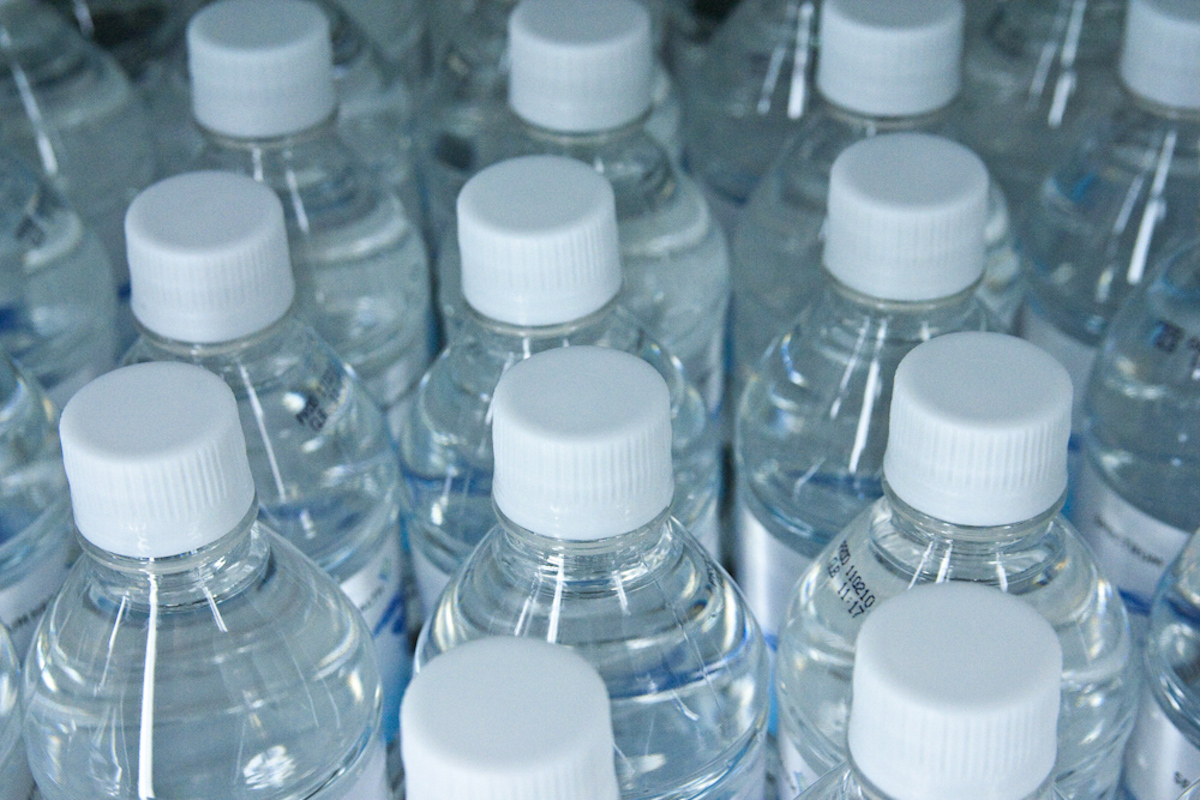

The ongoing Iran conflict is pushing up bottled water prices in India, with costs rising by around 11% due to a sharp increase in packaging expenses.
The surge is largely driven by higher oil prices, which have increased the cost of key materials such as plastic bottles and caps.
“The price of packaged drinking water has risen to 20 rupees per litre, due to a significant increase in packaging material costs, which have surged by over 70% in the last fortnight,” Angelo George, CEO of Bisleri
Rising packaging costs hit the industry
The bottled water sector is being squeezed by escalating production costs. The price of polymer, a crucial material derived from crude oil and used for plastic bottles, has risen by about 50%, while the cost of caps has more than doubled.
Other components, including labels, boxes and adhesive materials, have also become more expensive, further increasing overall production costs.
Tax cuts offset by new price increases
The price hikes have effectively cancelled out the benefits of a tax reduction introduced by Prime Minister Narendra Modi in September, which lowered the tax on bottled water from 18% to 5%.
That reform had initially led to lower retail prices, but the recent surge in input costs has reversed those gains, leaving consumers facing higher prices once again.
Major companies raise prices
Leading companies in the sector have already adjusted their pricing. Bisleri, which holds roughly a third of the market, has increased prices by 11%, with a pack of 12 one-litre bottles rising from 216 to 240 rupees.
Other producers, including Parle Agro and Clear Premium Water, have also implemented price increases ranging from 8% to 11%, citing the same cost pressures linked to global developments.
A critical commodity under pressure
The price rise is particularly significant in a country where access to clean water remains a challenge. Researchers estimate that about 70% of groundwater in India is contaminated, making bottled water an essential resource for millions of people.
With a market valued at around $5 billion, the industry plays a key role in meeting basic needs, but is now facing mounting pressure from rising costs.



Show Comments