


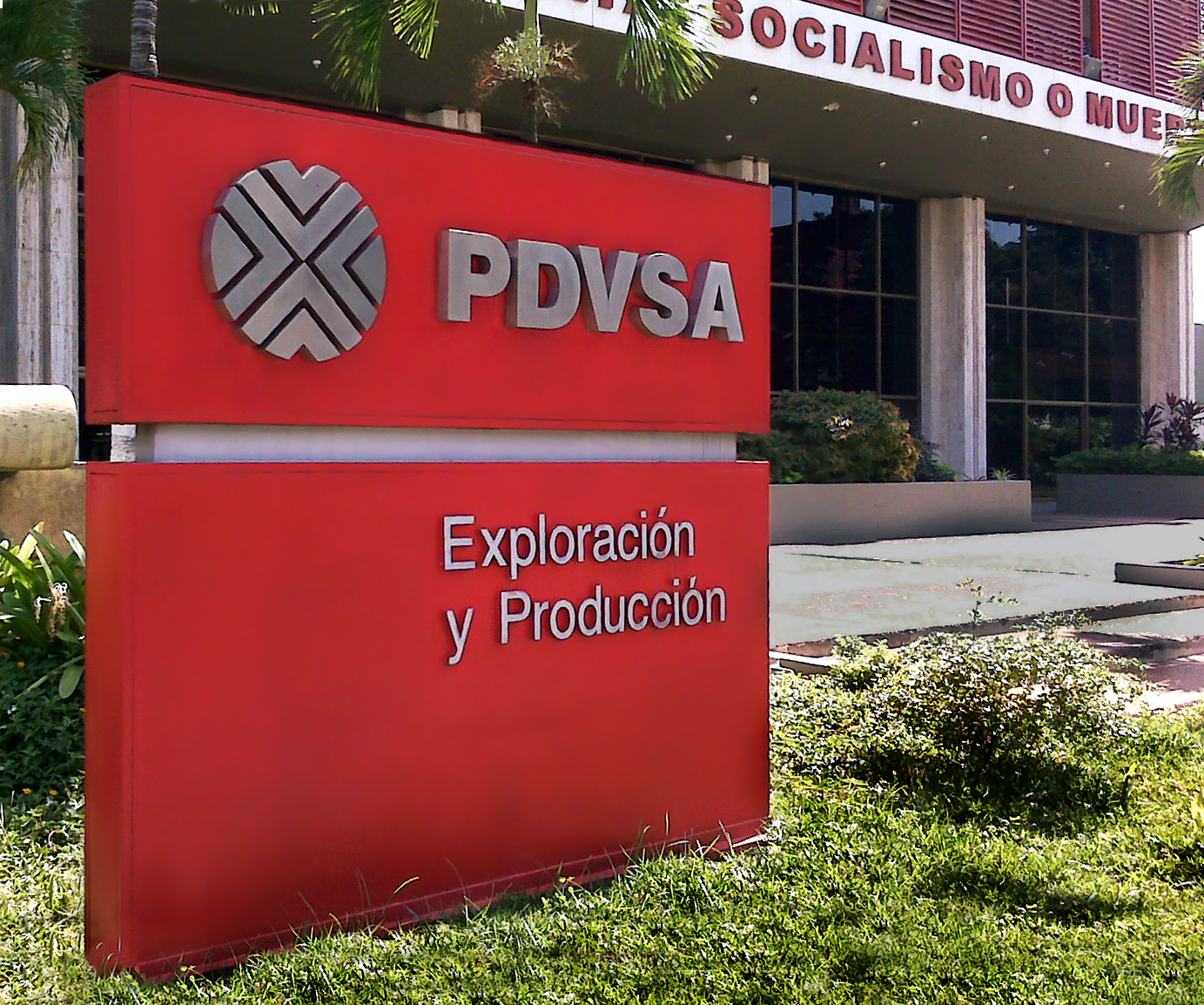

Venezuela has begun reversing recent oil production cuts by reopening several wells that had been shut down during the U.S. export blockade imposed in December 2025. The state-owned oil company PDVSA has instructed its joint ventures to resume operations in different parts of the country to restore output after weeks of export paralysis.
Sharp production decline and current levels
The U.S. embargo has pushed Venezuela’s crude output to very low levels. The production has fallen from around 1.16 million barrels per day to about 880,000 bpd in the most recent week. The country’s main producing area, the Orinoco Belt, was hardly hit as the output dropped from roughly 675,000 bpd to around 410,000 bpd.
Exports resume amid talks with Washington
The resumption of exports marks a significant shift compared with late 2025, when Venezuelan crude shipments had almost come to a halt. The two tankers that recently sailed could represent the first cargoes under a potential oil deal with the United States, aimed at clearing storage bottlenecks and restoring commercial flows. While PDVSA has not officially confirmed that the agreement has been finalized, the departure of the vessels suggests that exports are gradually restarting.
PDVSA audit
PDVSA is carrying out an internal audit to set the basis for further evaluations of short-term recovery plans and the investments needed to restart Venezuela’s oil output, refining, storage and commercialization. These findings could feed into proposals linked to President Trump’s $100 billion plan aimed at rebuilding Venezuela’s oil industry. However, PDVSA is still struggling to fully restore its systems after a cyberattack that recently disrupted operations, forcing the company to slow oil exports and domestic fuel distribution.
At the same time, global trading houses Trafigura and Vitol have secured U.S. licenses allowing them to negotiate and trade Venezuelan crude, marking a success in the intense competition to access Venezuelan oil supplies. While the traders have not disclosed the volumes they are authorized to export, refiners in the United States, India and China have already begun talks to purchase cargoes either from the traders or through tenders that are yet to be launched.




Show Comments