


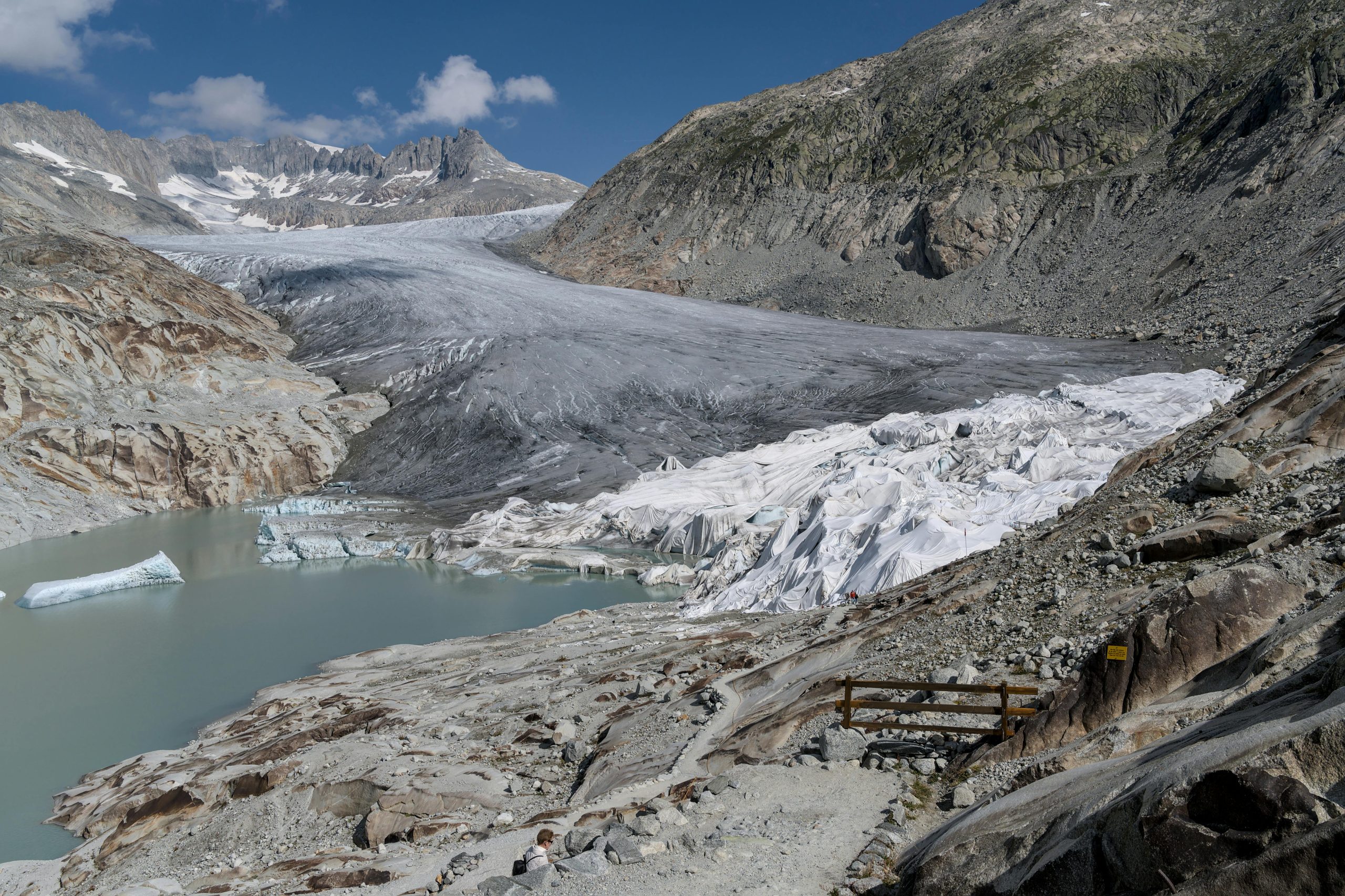

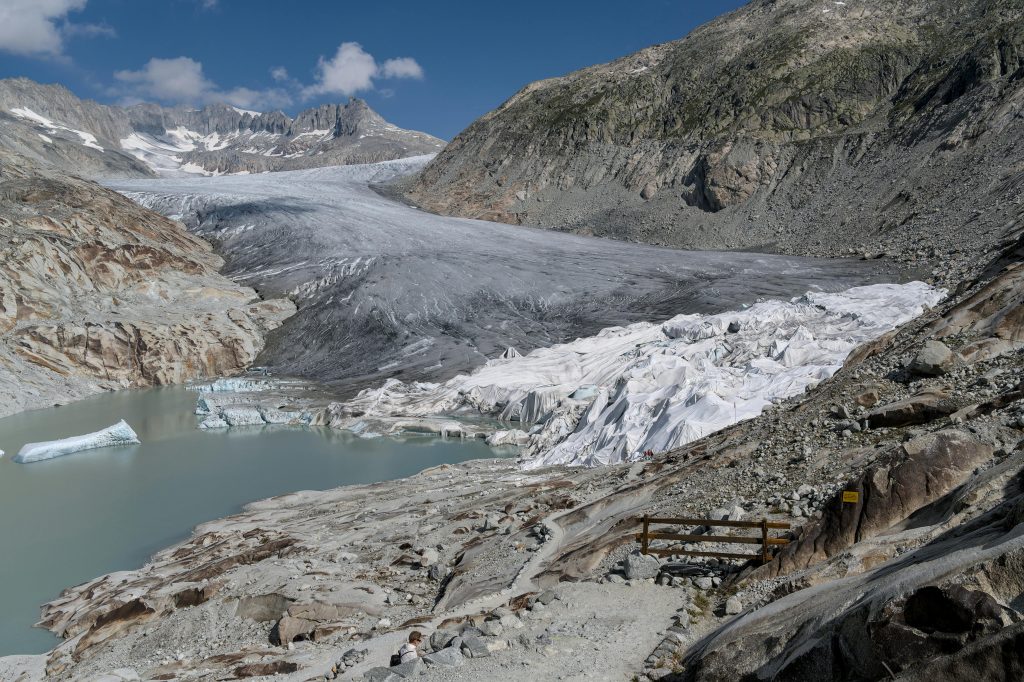
Glaciers in the European Alps are expected to reach their highest rate of extinction within the next decade, according to recent scientific research. More than one hundred Alpine glaciers are projected to disappear permanently by the early 2030s, marking a critical phase in the long-term retreat of mountain ice driven by rising global temperatures.
A Rapidly Accelerating Global Trend
Worldwide, approximately 200,000 glaciers remain today, with several hundred already vanishing each year. Scientists warn that this rate will increase sharply as emissions from fossil fuel use continue to accumulate in the atmosphere, accelerating global heating and intensifying glacier melt.
Climate Scenarios and Projected Losses
Under current national climate policies, global temperatures are projected to rise to around 2.7°C above pre-industrial levels. In this scenario, annual glacier extinctions could peak at roughly 3,000 per year by around 2040, remaining at that level for several decades. By the end of the century, up to 80% of today’s glaciers may have disappeared.
By contrast, a pathway consistent with limiting warming to 1.5°C would cap peak annual losses at around 2,000 glaciers, followed by a gradual decline in the rate of disappearance.
Why Counting Glaciers Matters
Previous studies have focused primarily on the volume of ice lost, due to its contribution to rising sea levels. This research instead examines the disappearance of individual glaciers, recognising that many play important roles for local communities as freshwater sources, tourism assets and elements of cultural or spiritual heritage.
How the Study Was Conducted
The analysis draws on satellite-derived data covering more than 200,000 glaciers worldwide and uses multiple global glacier models to assess future outcomes under different warming scenarios. Smaller glaciers, particularly those that are already melting rapidly, were found to be the most vulnerable.
Regional Impacts Across Mountain Systems
Central Europe emerges as one of the most affected regions. Even if global temperature rise is limited to 1.5°C, the majority of glaciers in this area are projected to shrink substantially by 2100, with losses becoming far more severe under higher warming scenarios.
Similar patterns are expected elsewhere. In western North America, including Alaska, a large share of existing glaciers is projected to vanish this century, with losses increasing markedly under higher temperature pathways. The Caucasus and the southern Andes are also identified as regions facing extensive glacier decline.
Larger Ice Masses and Long-Term Change
Larger glaciers, such as those around Greenland, are expected to reach their peak extinction rates later than smaller mountain glaciers. However, their melting is projected to continue beyond 2100, resulting in significant long-term ice loss even under lower warming scenarios.
Consequences for Water and Communities
Glacier loss has implications far beyond ice-covered landscapes. Around two billion people globally rely, at least in part, on water originating from mountain glaciers for drinking supplies, agriculture and food security. As glaciers retreat, downstream communities will need to adapt to changing water availability.
Adaptation and Future Choices
Potential adaptation measures include changes in agricultural practices, the development of alternative economic activities to replace glacier-dependent tourism and, in some regions, experimental approaches such as artificial ice storage. Researchers emphasise that while some glacier loss is already unavoidable, the overall scale and speed of extinction this century will depend largely on near-term decisions to reduce global emissions.


Show Comments