


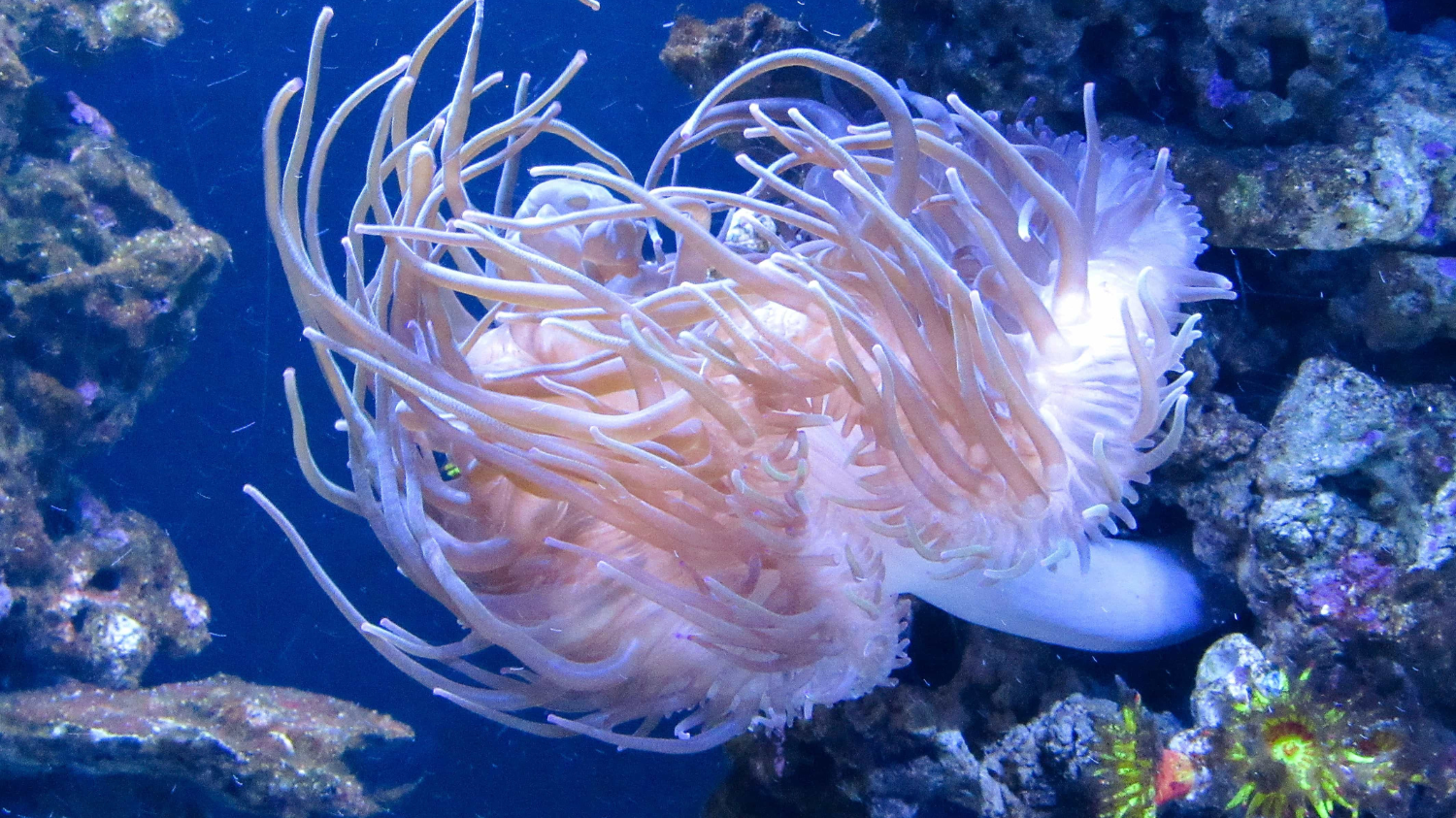

Coral reefs may only cover 0.2% of the seafloor, but they provide a habitat to more than a quarter of marine species.
However, these creatures are sensitive to heat and acidification, so over the years with rising temperatures and ocean acidification, corals have become sensitive and in many cases have even died.
Numerous studies claim that an increase of one degree of water, could cause the death of 70-90 % of the world’s coral reefs, and numerous scientists claim that they will have disappeared altogether by 2070.
Unfortunately, climate change is a significant threat to coral reefs, and there does not yet seem to be a solution.
To repair the damaged fauna, new corals have to be planted where they are damaged, with corals grown in nurseries. However, this solution is slow and expensive and only part of the damaged reefs can actually be repaired.
In the waters of the Albrolhos Islands (Australia), a system that can revive coral reefs more quickly is being tested.It involves grafting coral fragments into small plugs, which are inserted into a moulded base. Those bases are then placed in batches on the seabed.
So far the results have been encouraging. These prototypes were tested on four different species, and they are all growing wonderfully. In addition, researchers have trained an artificial intelligence to control collaborative robots, which work closely with humans. These processes are in fact quite repetitive and lend themselves perfectly to robotic automation.
The downsides of this initiative are obviously the very high cost, the considerable investment of time and human capital.
We just have to wait and see if this solution will be sustainable in the long run.





Show Comments