


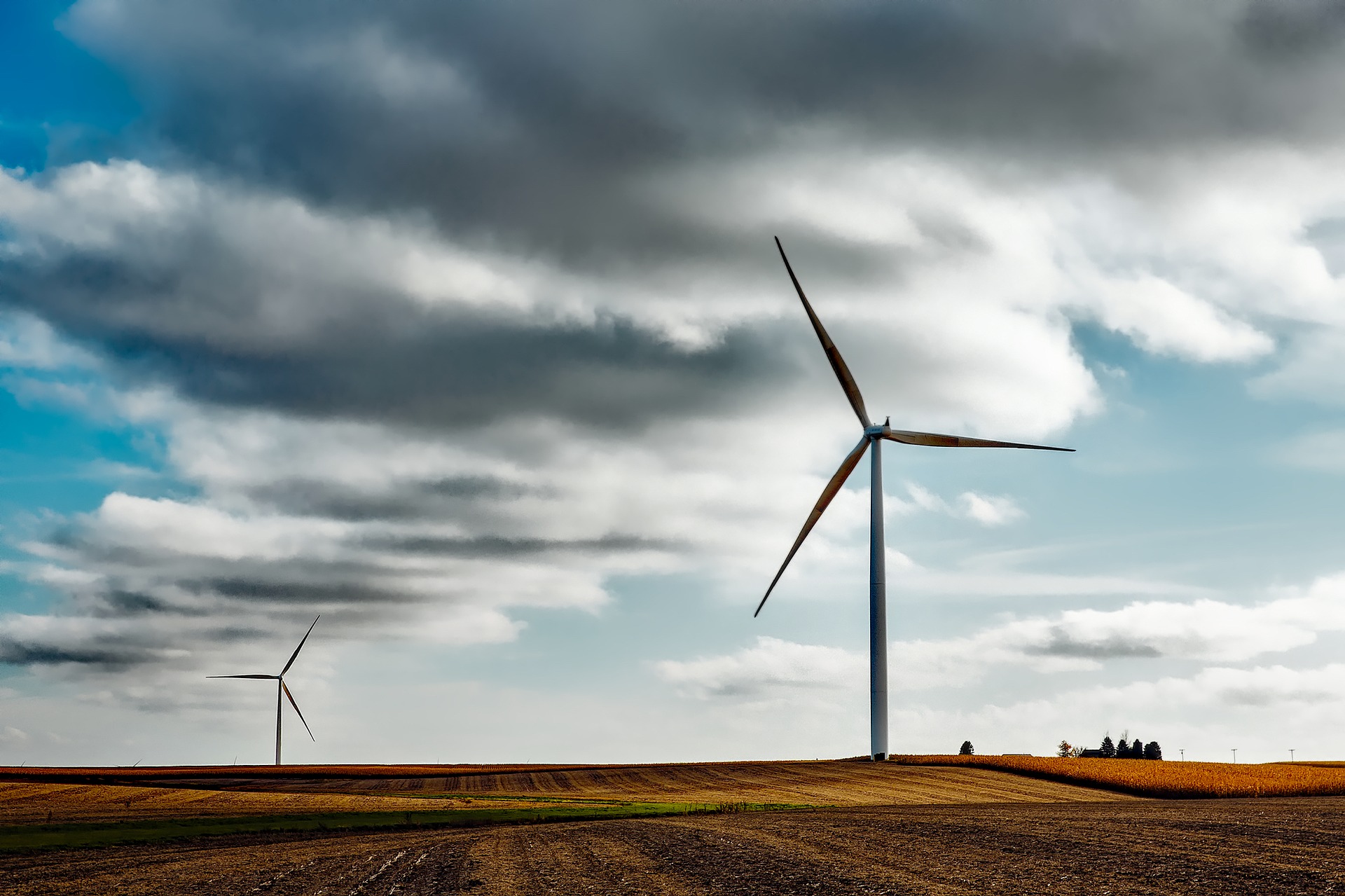

Expanding nuclear power and onshore wind is the most cost-effective strategy for Sweden to meet its rapidly growing electricity demand, according to a report by the Nuclear Energy Agency of the Organisation for Economic Co-operation and Development (OECD).
These two energy sources will play the central role in Sweden’s future power system as the country moves toward its target of net-zero emissions by 2045.
Electricity demand expected to double
Sweden’s electricity consumption is projected to double in the coming decades as sectors such as transport and heavy industry—including steel production—shift to cleaner sources of power.
To meet this demand at the lowest cost, the OECD’s Nuclear Energy Agency concluded that nuclear energy and onshore wind would dominate the optimal energy mix. The report said both existing nuclear plants and new reactors, alongside expanded land-based wind farms, are likely to provide the most economical combination of capacity.
Possible energy mix by 2050
In the agency’s baseline scenario for 2050, Sweden could have around 13 gigawatts (GW) of nuclear capacity and 30 GW of onshore wind, with an annual system cost estimated at about $18 billion.
However, the analysis suggests a range of possible outcomes. A similar system cost could be achieved with between 8 and 19 GW of nuclear power and 10 to 55 GW of onshore wind capacity, depending on how technologies develop and market conditions evolve.
Offshore wind currently too expensive
Despite rapid development in renewable technologies, the report found that offshore wind is currently too costly to play a major role in Sweden’s least-cost electricity system.
Building onshore wind capacity remains the cheapest option at about $1,500 per kilowatt, compared with roughly $3,000 per kilowatt for offshore wind and about $7,000 per kilowatt for nuclear construction.
Still, nuclear power offers an important advantage: it can generate electricity continuously regardless of weather conditions, helping reduce overall system costs by providing stable supply.
Sweden’s current power mix
Today, Sweden’s electricity system is already largely fossil-free. Hydropower accounts for about 40% of generation, followed by 29% nuclear energy, 21% wind power, 8% thermal power, and around 2% solar energy.
The Swedish government is planning to expand nuclear capacity and has proposed building up to 10 new reactors by 2045 to support the country’s long-term decarbonisation strategy and ensure reliable electricity supply.





Show Comments