


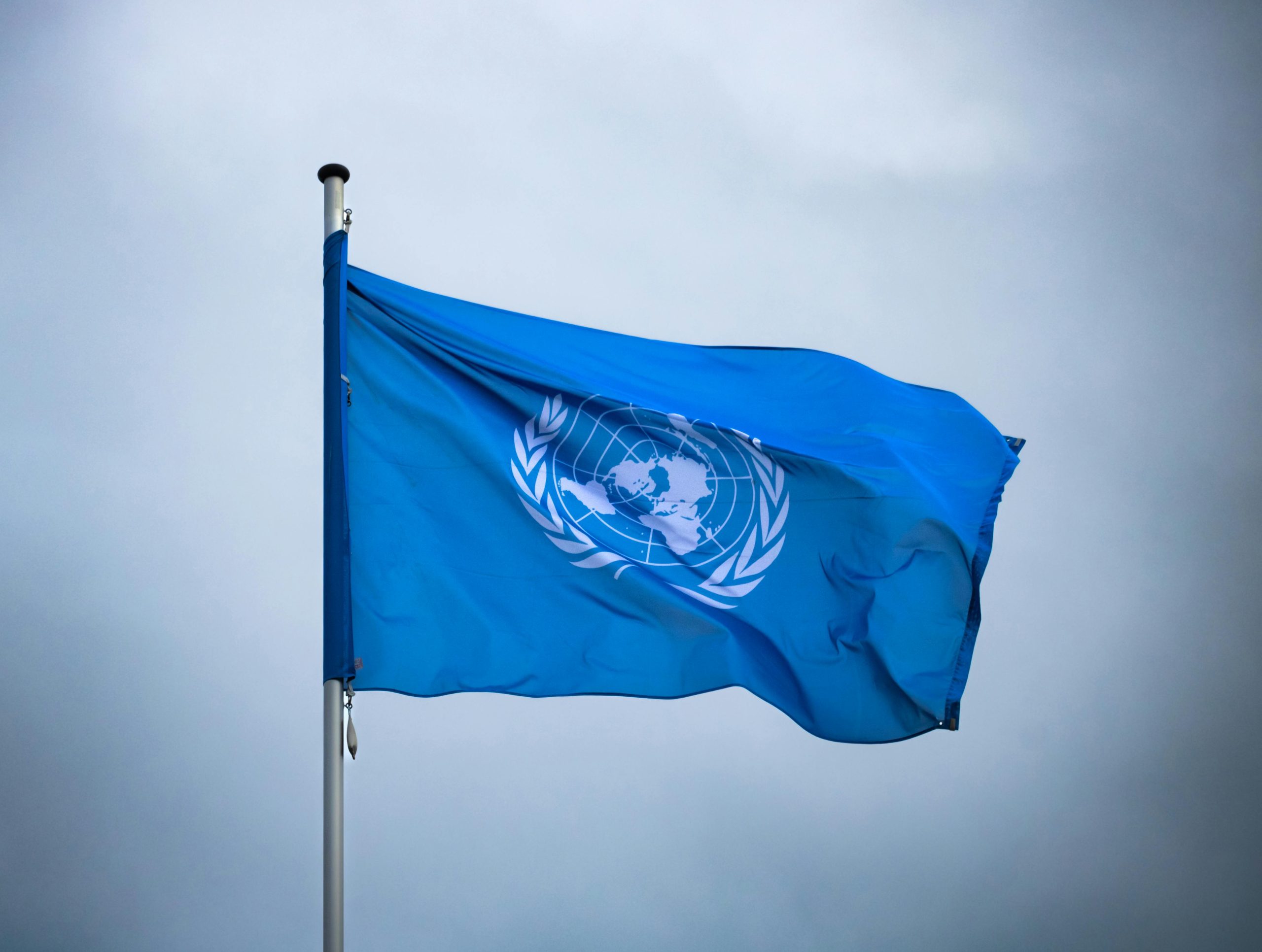

The United Nations treaty on marine biodiversity has officially entered into force. This global agreement is designed to protect ocean ecosystems in areas beyond national jurisdiction, known as the high seas. The treaty, called Biodiversity Beyond National Jurisdiction (BBNJ), was finalised in March 2023 after more than 15 years of negotiations and reached the threshold required for entry into force thanks to the ratification of at least 60 countries by September 2025. Currently, more than 80 states have acceded to the agreement.
The high seas represent about two-thirds of the oceans and almost half of the planet’s surface, but until now there has been no global legal framework specifically dedicated to protecting biodiversity.
The “30 by 30” target
One of the central objectives of the treaty is the so-called “30 by 30”, i.e. the protection of 30% of the world’s oceans by 2030. To achieve this goal, the treaty provides for the creation of a global network of marine protected areas on the high seas, as well as an obligation for states to conduct environmental impact assessments for activities that could damage marine ecosystems.
On the international stage, only about 8% of the oceans are currently subject to some form of protection, highlighting the scale of the effort required to meet the target.
The main provisions
The treaty introduces common rules for the conservation and sustainable use of marine biodiversity, including the management of marine genetic resources and the sharing of benefits arising from their use. However, certain specific areas remain outside the scope of the treaty, such as the regulation of deep-sea mining, which remains the responsibility of the International Seabed Authority.
Adam McCarthy, co-chair of the treaty’s preparatory committee and an official with the Australian Foreign Ministry, stressed that the agreement represents the first comprehensive legal framework applied to such a large portion of the planet.
Ratifications and next steps
Several countries, including the United Kingdom and Australia, are expected to complete the ratification process shortly. The United States has signed the treaty but has not yet ratified it.
With the treaty now in force, attention will shift to the practical implementation of the measures it contains, including the establishment of protected areas and the organisation of the first Conference of the Parties, which will monitor progress and address the operational challenges of the new global agreement.


Show Comments