


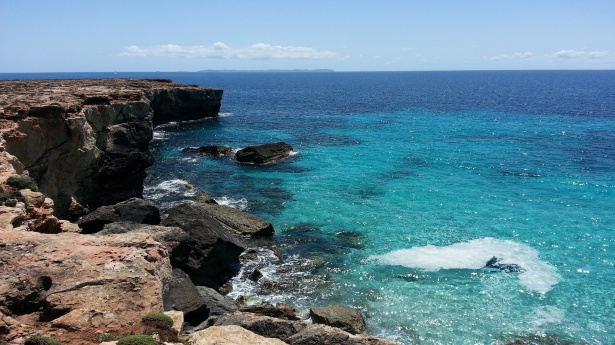

In late June and early July, the Mediterranean Sea faced its most intense marine heatwave ever recorded for this time of year. Sea surface temperatures soared past 30°C—up to 6–7°C higher than the average—putting marine ecosystems at significant risk. These temperatures are even warmer than most public swimming pools and arrived unusually early, sparking worries about a long and intense summer ahead.
Impact on Marine Ecosystems
The heatwave is already taking a toll on marine life. Many species have specific temperature limits they can’t exceed to survive. Extended exposure to these high temperatures saps their energy, hampers reproduction, and can lead to mass die-offs. Ecologists have reported finding the remains of marine populations after previous heatwaves. Critical habitats like seagrass meadows, which are vital for biodiversity and carbon storage, are especially at risk.
Climate Change Connection
Experts are connecting the rising frequency and severity of marine heatwaves to global warming, which is fueled by greenhouse gas emissions. The Mediterranean is particularly vulnerable due to its enclosed geography, which traps heat. As a “climate change hotspot,” this region is warming at a faster rate than many other areas around the globe.
Wider Consequences
The repercussions extend beyond ecological damage; marine heatwaves can disrupt fisheries and coastal economies. Warmer seas also contribute to extreme weather by increasing evaporation, which can lead to heavy rainfall and flooding—as witnessed in Libya (2023) and Valencia (2024). Moreover, hotter seas diminish the cooling effect of sea breezes, exacerbating heatwaves on land.
A Warning for the Future
Scientists caution that such events will become more frequent unless we significantly cut emissions. The Mediterranean is now viewed as a “canary in the coal mine” for climate change, providing a stark glimpse of what could unfold globally if warming continues unchecked.





Show Comments