



The ozone hole, a result of human-induced pollution, has reached a record-breaking size, measuring three times the surface area of Brazil or 50 times that of France.
Recent observations from the European Space Agency‘s Sentinel 5P satellite indicate that the ozone hole spans an area of 26 million square kilometers above Antarctica.
The Record
Experts have previously noted that fluctuations in the size of the ozone hole are normal, particularly when it is situated above polar regions.
However, the latest observations contradict earlier optimistic forecasts of the hole’s recovery. Instead, the ozone hole has reached its largest size since monitoring began in the 1970s.
This unprecedented growth during the months of August to October raises questions about the effectiveness of previous recovery projections.
The Eruption Effect
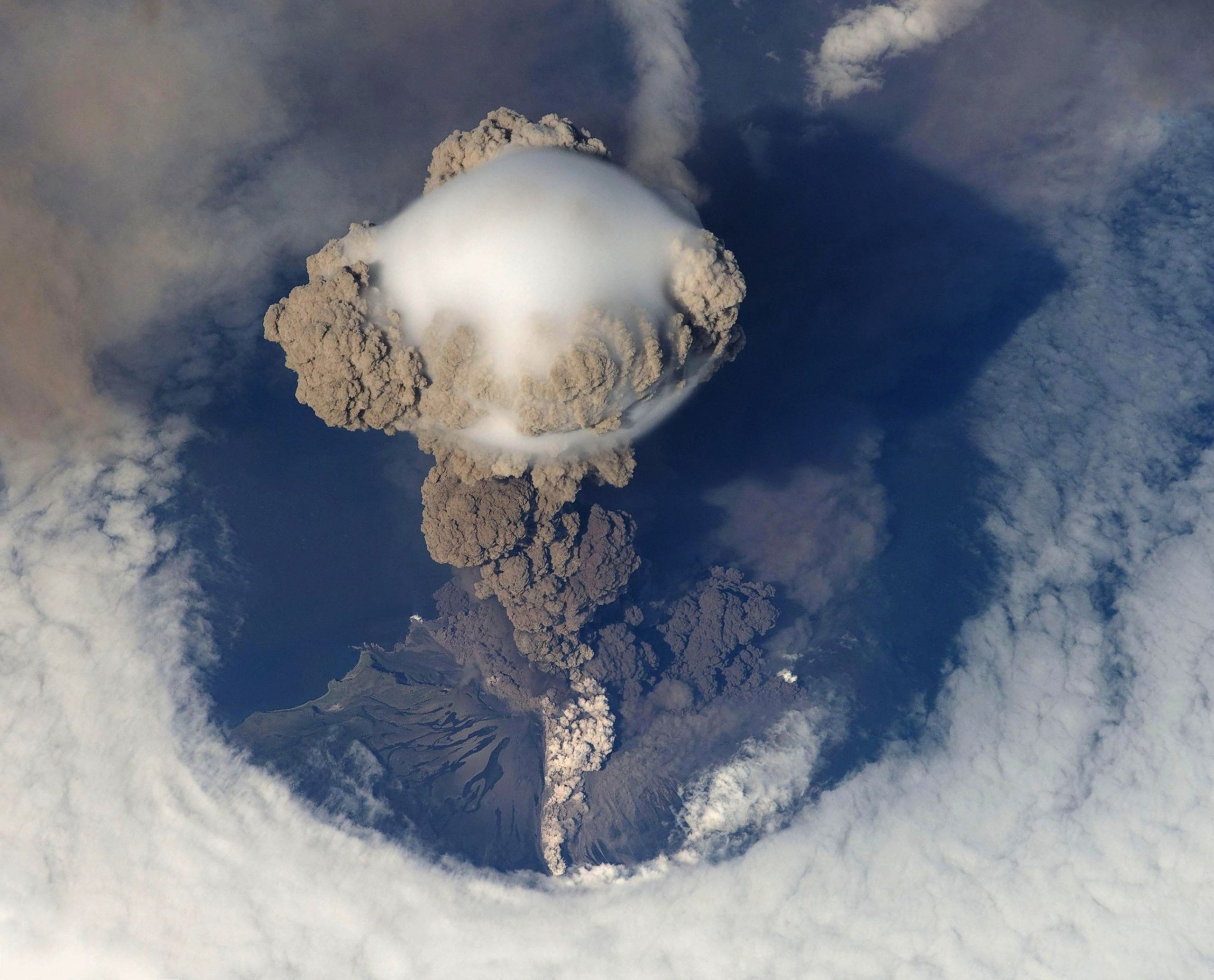
Scientists from the Copernicus Atmosphere Monitoring Service (Cams) have identified a possible explanation for the record size of the ozone hole. They attribute it to the eruption of the Hunga Tonga volcano in January 2022.
The volcanic eruption injected a significant amount of water vapor into the stratosphere, which subsequently reached the southern polar regions. The presence of water vapor intensifies the formation of polar stratospheric clouds, leading to accelerated depletion of the ozone layer due to the reaction with chlorofluorocarbons.
The Outcome
The implications of this record size for the ozone hole are concerning. It raises doubts about the progress made in ozone layer recovery efforts. The unexpected expansion and the influence of the volcanic eruption emphasize the need for continuous monitoring and research.
In conclusion, the record-breaking size of the ozone hole serves as a reminder of the ongoing environmental challenges we face.



Show Comments