


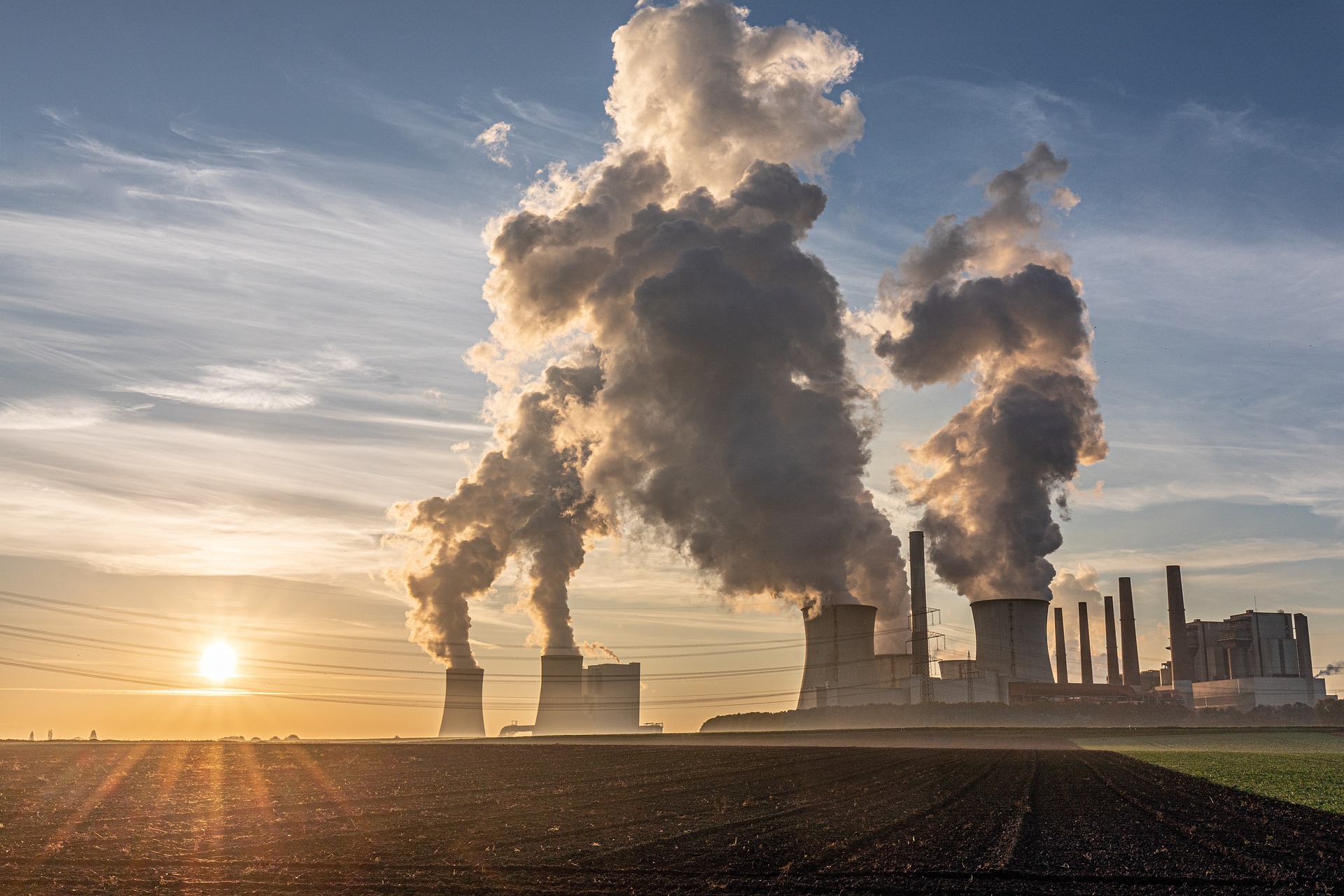

Australian Academy of Science report says the country is behind others in carbon dioxide removal. As a consequence, it must set targets for the amount of CO2 to be removed from the air by using, for example, “carbon drawdowns” techniques like tree planting and direct air capture.
In a foreword to the report, Prof Chennupati Jagadish, the academy’s president, said if the world was to keep global heating to 1.5C, CO2 removal would need to be deployed at the same time as rapidly cutting emissions.
Some examples of carbon dioxide removal approaches are tree planting, stopping deforestation, increasing carbon in soils, protecting carbon stored in coastal ecosystems, and using machines to pull CO2 directly from the air and lock it away.
However, according to the report, Australia had limited mechanisms to support the development and deployment of many negative emissions solutions.
The academy’s report reflects the views of 17 experts who came together for a roundtable last year.
“Carbon dioxide removal should have its own targets and be reported under Australia’s international climate pledges”, recommend a policy brief from the academy, together with the report.
The report released by CSIRO in December outlined how much CO2 different approaches could pull down and store, and the relative costs and barriers. For example, tree planting and increasing carbon in soils were considered cheaper and more developed. On the other hand, other methods such as direct air capture were less well-developed and much more expensive.




Show Comments