




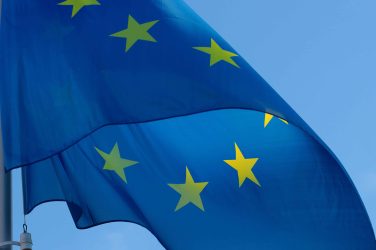
Many products are now labeled with environmental certificates, and brands specifically market these for their ecological benefits. But where is the line between true environmentally friendly concern and greenwashing? The rules across the EU will change in 2026. One of the directives is meant to prevent greenwashing by removing specific claims from labels, thereby protecting consumers.
Why So Many Green Labels, and the Problem of Greenwashing
Both “eco-friendly” and “green” are terms that can be found on a multitude of products today. These labels are created to appeal to eco-friendly consumers, but the truth behind these claims often differs significantly. Most of these statements are often vague and sometimes not evidence-based, leading to a tool for greenwashing.
This practice of greenwashing not only misleads consumers, but it also weakens real aspirations for sustainability. The European Union has recognized this issue and is already moving to counter the trend.
The Next Directive: A Tougher Position on Sustainability Claims
A new EU directive will impose tough restrictions on how companies can claim the sustainability of their products starting in 2026. The Beuc European consumer organization’s policy officer for sustainable consumption, Miriam Thiemann, argues that environmental claims need to be more specific. “It’s an open statement; saying a product is eco-friendly means absolutely nothing on its own,” she says. Thiemann adds, “Those vague claims will be outlawed. Companies that use them must be more specific. The question becomes—why exactly are they promoting their product as eco-friendly or green? If they want to make this general of a statement, they should tell us why the whole product is greener – not just one part.”
Certified Labels: Trust and Transparency
The directive will require labels on products to be used exclusively with certified sustainability. This is intended to ensure that environmental claims are supported by sound data and rigorous standards. Certified labels will provide consumers with credible information regarding the environmental impact of products so that they can make purchasing decisions based on reliable data.
To earn these certifications, companies will undergo intensive assessments focusing on the environmental impact of their products—potentially using metrics such as product carbon footprints and resource use. This is likely to result in increased transparency and accountability within the marketplace.
Businesses and Consumer Implications
For companies, this means transitioning toward more stringent oversight and obtaining proper certification for their products. Though this may be challenging, it could also spur companies to genuinely innovate and improve their sustainability practices.
The directive offers certainty for consumers. With official and certified labeling, they can have more confidence that the products they purchase are genuinely friendlier to the environment. This shift will incentivize responsible consumerism, leading to significant environmental strides.
Conclusion: A Positive Step Towards Sustainable Consumption
This new EU directive is a significant development in the fight against greenwashing to ensure real sustainability stands out. The EU, concerned about consumers and committed to transparent and credible marketing, is working with certified sustainability labels. As demands for genuine sustainability grow, we can only hope that sustainability ceases to be a word used solely for marketing advantage and becomes an integral part of product development and standard corporate responsibility. This transition is expected to be advantageous not just for consumers but also for our planet.



Show Comments