


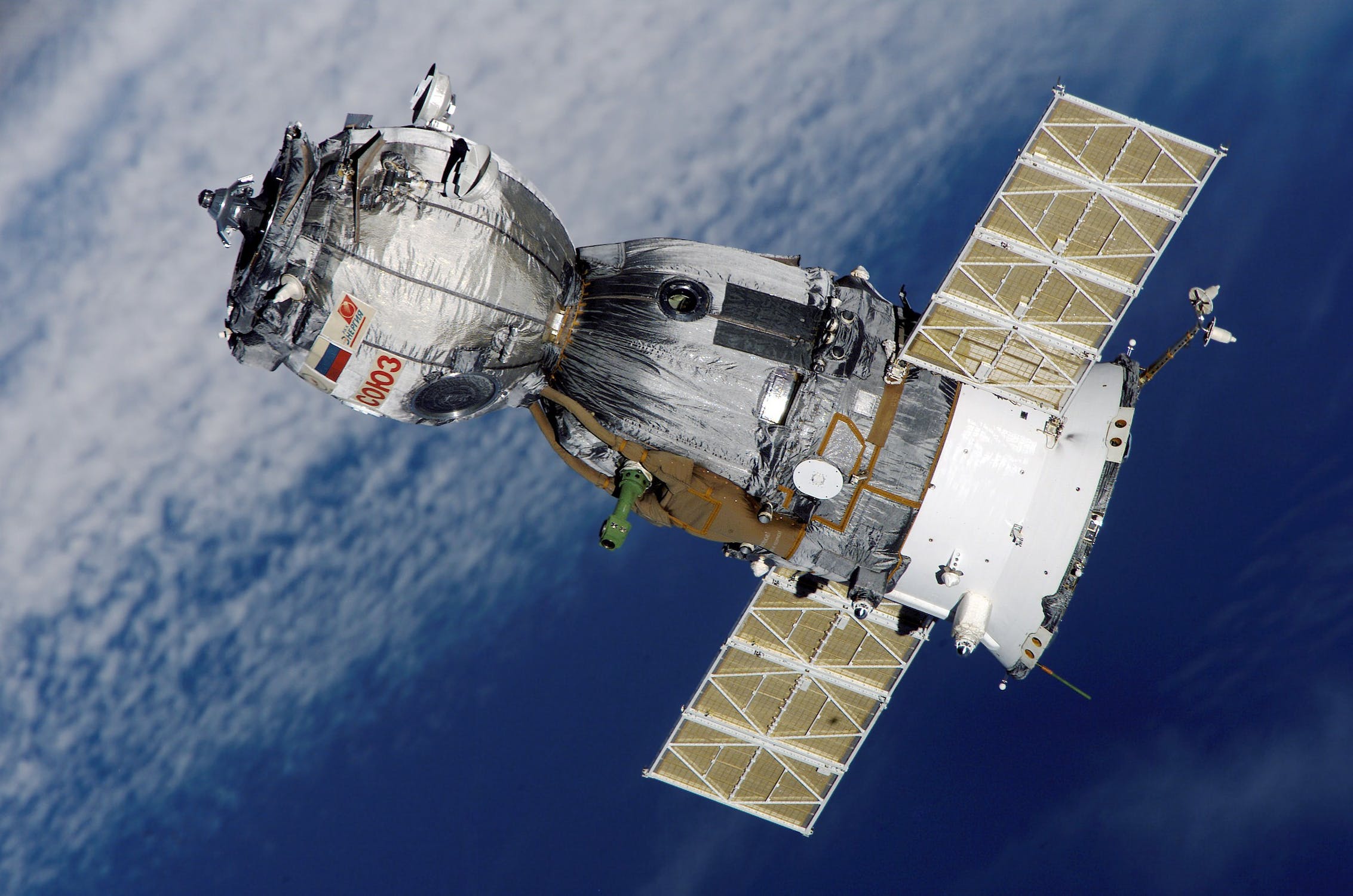

Japan will soon put the world’s first wooden satellite into orbit following a year-long test phase at the International Space Station.
The satellite has passed all the necessary tests, with the magnolia wood from which it is made proving to be resistant to extra-atmospheric conditions. In addition, the lack of oxygen and living organisms triggering the wood’s ageing process enabled it to pass the space test.
Behind the experiment of testing biodegradable materials as alternatives to the metals used in satellite construction is the issue of the damage caused by space waste.
“All satellites that re-enter the Earth’s atmosphere burn up and create tiny alumina particles, which will float in the upper atmosphere for many years. Eventually, it will affect the Earth’s environment,‘ explains Takao Doi, a space engineer at Kyoto University.
The idea of wooden satellites could solve these problems. The prototype was assembled by researchers at Kyoto University and the company Sumitomo Forestry, then christened LignoSat and tested in the laboratory under conditions similar to those found in space. Then tested under real conditions, the wood proved to be resistant among the tested essences.




Show Comments